Save $-389.99
Roush F-150 Cold Air Intake Kits for 2015-2017 F-150 - 421981
Regular price
$389.99
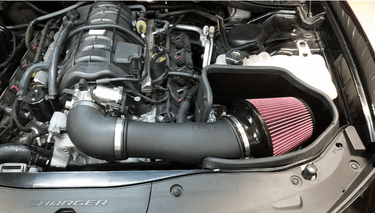
Air inductions play a crucial role in the performance of internal combustion engines. By optimizing the amount of air that enters the engine, air inductions enhance combustion efficiency and overall engine output. This improvement is pivotal for vehicle performance, resulting in better acceleration, increased horsepower, and optimized fuel efficiency.
The concept of air inductions involves the design and implementation of systems that improve the flow of air into the engine. Traditional intake mechanisms may restrict airflow due to bends, kinks, or inadequate diameter, leading to suboptimal engine performance. Therefore, modifying the air induction system can yield significant benefits.
Understanding how air enters the engine is vital for anyone looking to improve their vehicle's performance. The air induction system typically includes components such as air filters, intake manifolds, and throttle bodies. Each of these parts contributes to the overall efficiency of air intake. Aftermarket modifications can lead to substantial gains in horsepower and torque, making air inductions a popular focus for performance enthusiasts.
When upgrading an air induction system, one must consider how air quality affects engine performance. Cleaner air leads to better combustion, which is why high-performance air filters are often incorporated into the system. These filters are designed to allow more air to flow through while trapping contaminants, thus maximizing engine performance without risk of damage.
The design of the intake manifold is also critical in air inductions. A well-designed manifold ensures that air is evenly distributed to each cylinder, enhancing performance across the board. Some performance enthusiasts opt for larger or different-shaped manifolds to facilitate improved airflow, which can lead to significant performance gains, especially at higher RPMs.
Another vital component of the air induction system is the throttle body. Throttle bodies regulate the amount of air entering the engine based on the driver's input. Upgrading to a larger throttle body can allow more air to enter the engine, which is especially beneficial for modified engines that demand higher airflow for optimal performance.
Additionally, the use of ram-air systems is an innovative approach to air inductions. These systems direct oncoming air into the intake at higher speeds, increasing the volume of air available for combustion. This principle capitalizes on the relationship between speed and air pressure, producing a significant boost in performance.
Moreover, tuning the air-fuel mixture is essential when modifying the air induction system. An optimal ratio ensures that the engine operates at its best and achieves maximum power output while minimizing emissions. Drivers should consider performance tuning to achieve the ideal balance required for their specific modifications.
Furthermore, understanding the environmental impact of modifications is essential. Many performance enhancements, including air inductions, can lead to improved fuel efficiency and reduced emissions. Manufacturers are increasingly designing air induction systems that not only meet performance demands but also adhere to environmental regulations.
In conclusion, air inductions are a key factor in enhancing vehicle performance. By focusing on aspects such as air intake quality, manifold design, and throttle body size, vehicle owners can experience notable improvements in horsepower and overall efficiency. Whether for racing or everyday driving, optimizing air inductions serves as a fundamental step in achieving peak automotive performance.