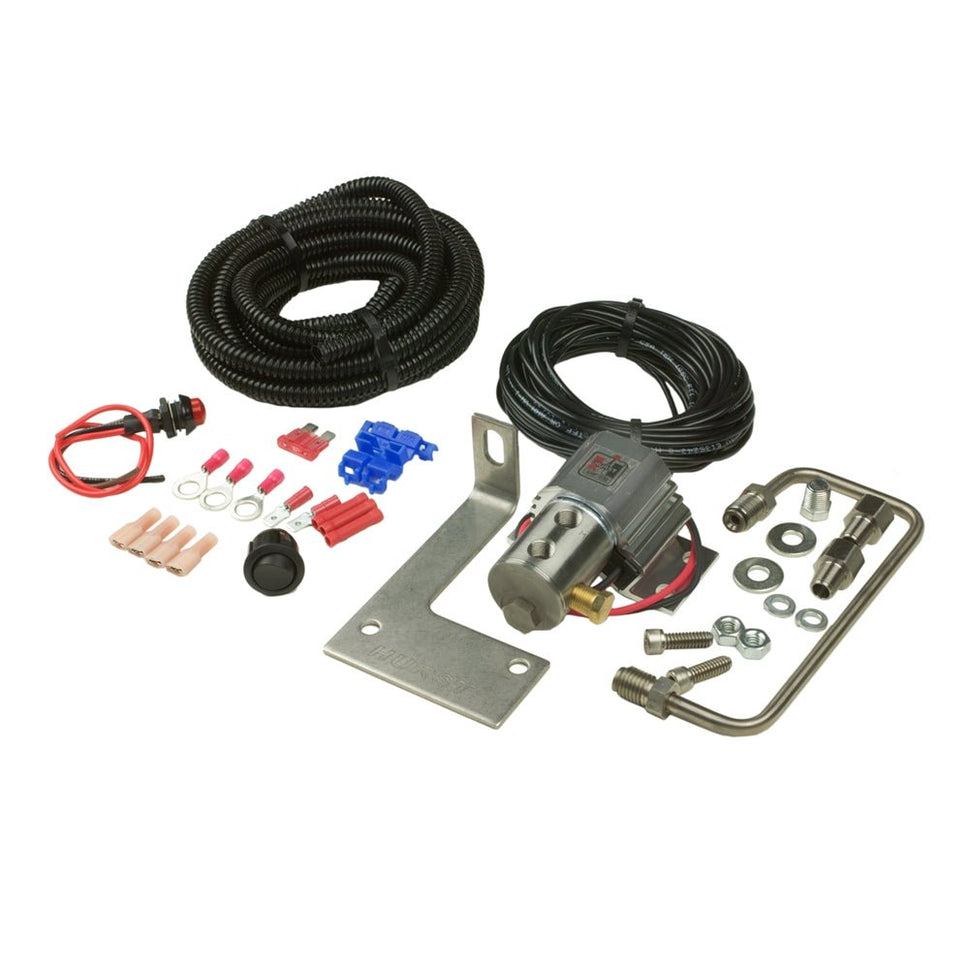

Brakes: Understanding Brake Systems for Optimal Performance
Brake Systems: A Comprehensive Guide
Brake systems are essential components in vehicles, playing a critical role in ensuring safety and control. Understanding brake systems is crucial for optimal performance, as they function to slow down or halt the motion of a vehicle in response to driver inputs. While the primary purpose of brake systems remains the same across various types of vehicles, the complexity and design can vary significantly. This guide aims to provide an in-depth look at different types of brake systems, their components, and how they impact vehicle performance.
At its core, a brake system operates on the principles of friction and hydraulic force. Traditional disc and drum brakes utilize friction to slow down the wheels when the brake pedal is pressed, converting kinetic energy into heat. Modern vehicles often incorporate advanced technologies such as anti-lock braking systems (ABS) and electronic stability control (ESC) to enhance safety and performance. These technologies prevent wheel lock-up during hard braking, allowing drivers to maintain steering control in critical situations.
One popular type of brake system is the hydraulic brake system. This design uses brake fluid to transmit force from the brake pedal to the braking mechanism at each wheel. This system is prevalent in most cars today due to its reliability and effectiveness. When the driver presses the brake pedal, a piston in the master cylinder forces brake fluid through the lines to the calipers or wheel cylinders, which then apply pressure to the brake pads or shoes against the rotors or drums.
Another widely used mechanism is the disc brake system. Disc brakes consist of a rotor, a caliper, and brake pads. The caliper houses the brake pads and straddles the rotor. When the driver applies the brakes, the caliper squeezes the brake pads against the rotor, creating the friction needed to slow down the vehicle. Disc brakes deliver superior performance and heat dissipation compared to drum brakes, making them ideal for high-performance applications.
Drum brakes, another common brake system, use a different design. In a drum brake, braking force is applied through brake shoes that press against the inside surface of a spinning drum. While they are less common in modern vehicles, drum brakes are still used in some applications, particularly in rear wheels of lighter vehicles and trailers. They provide adequate stopping power but may not dissipate heat as effectively as disc brakes.
For drivers interested in maximizing their vehicle’s brake performance, regular maintenance of the brake system is vital. This includes checking brake fluid levels, inspecting brake pads for wear, and ensuring the entire braking system is free from leaks and corrosion. Drivers should be aware of signs indicating that maintenance is necessary, such as squeaking sounds, decreased responsiveness, or vibrations during braking. Addressing these issues promptly can ensure optimal functionality and prolong the lifespan of the brake system.
In addition to maintenance, upgrading components of the brake system can enhance performance. High-performance brake pads, rotors, and calipers can improve stopping power and reduce brake fade during aggressive driving. Additionally, utilizing quality brake fluid can enhance the hydraulic efficiency of the system, further contributing to effective braking performance.
Understanding brake systems extends beyond just their mechanical function. It also encompasses the technological advancements that have revolutionized vehicle safety. Features such as traction control, electronic braking force distribution, and automated emergency braking systems rely on a well-designed brake system to function correctly. These advancements underscore the importance of understanding brake systems not only from a maintenance standpoint but also as a critical component of overall vehicle performance and safety.
As vehicles continue to evolve, so do brake systems. Innovations in materials, such as carbon-ceramic brakes, and the implementation of regenerative braking in electric and hybrid vehicles are paving the way for the future of braking technology. These systems provide enhanced performance, reduced weight, and improved efficiency, all of which contribute to better vehicle performance and lower emissions.
Ultimately, understanding brake systems is not only valuable for those who maintain vehicles but also for drivers seeking to optimize their driving experience. Knowledge of how brake systems function enables drivers to appreciate the significance of regular upkeep and informed decision-making regarding upgrades and repairs. As new technologies emerge, staying informed about advancements in brake systems will continue to play an essential role in enhancing vehicle safety and performance.
Country/region
30 products


Save $-215.95
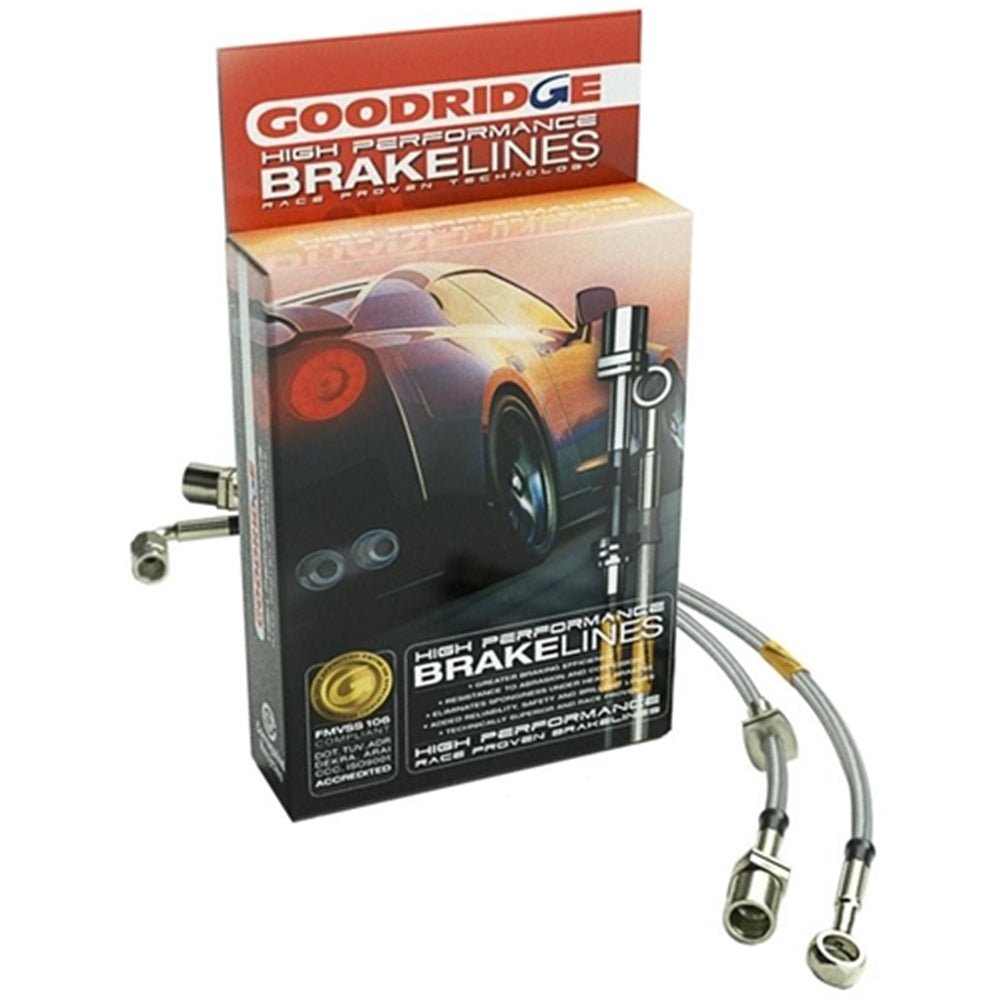
Goodridge 10-15 Camaro SS Brake Lines 12219
Regular price
$215.95

Price :
Regular price
$215.95
SKU :
GDR-12219

Save $-200.00
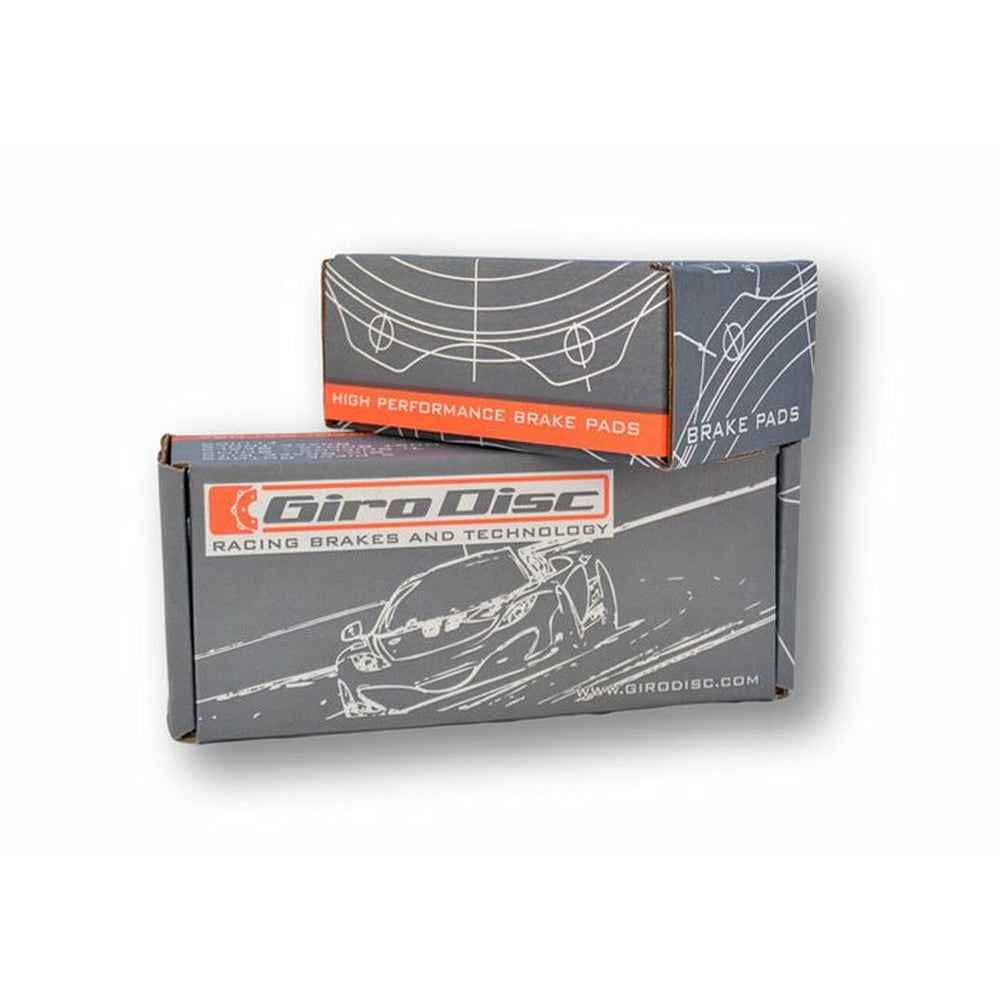
Girodisc Camaro Brake Pads for Street/Strip - C7 Z06, GT350 Rear SS-1718
Regular price
$200.00

Price :
Regular price
$200.00
SKU :
GDC-SS-1718

Save $-497.47
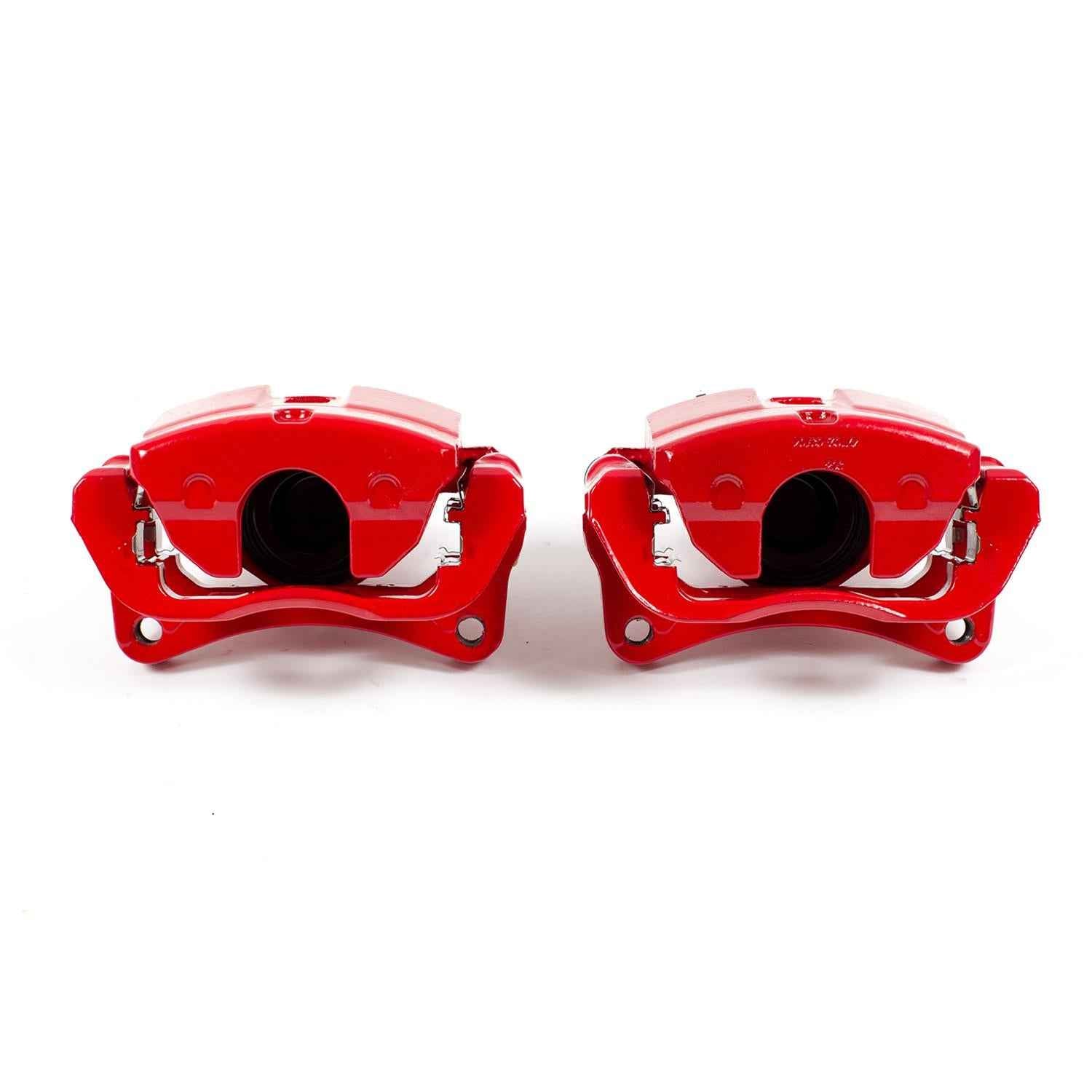
PowerStop Performance Powdercoated Brake Calipers for 2015-2017 200, 2013-2016 DART - S5422
Regular price
$497.47

Price :
Regular price
$497.47
SKU :
PWR-S5422

Save $-149.71
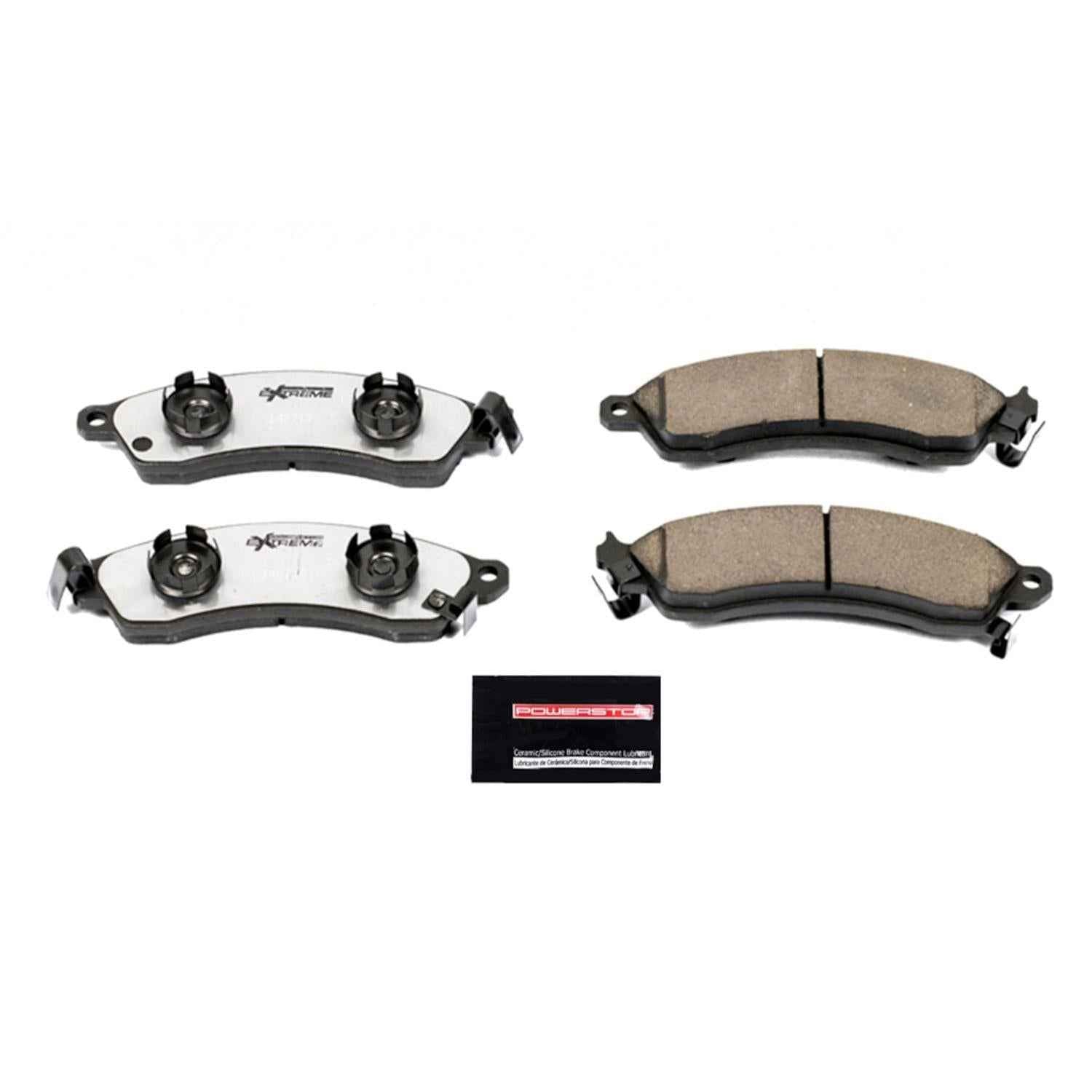
PowerStop Z26 Street Warrior Brake Pads and Hardware Kits Z26-412
Regular price
$149.71

Price :
Regular price
$149.71
SKU :
PWR-Z26-412
Save $-159.37
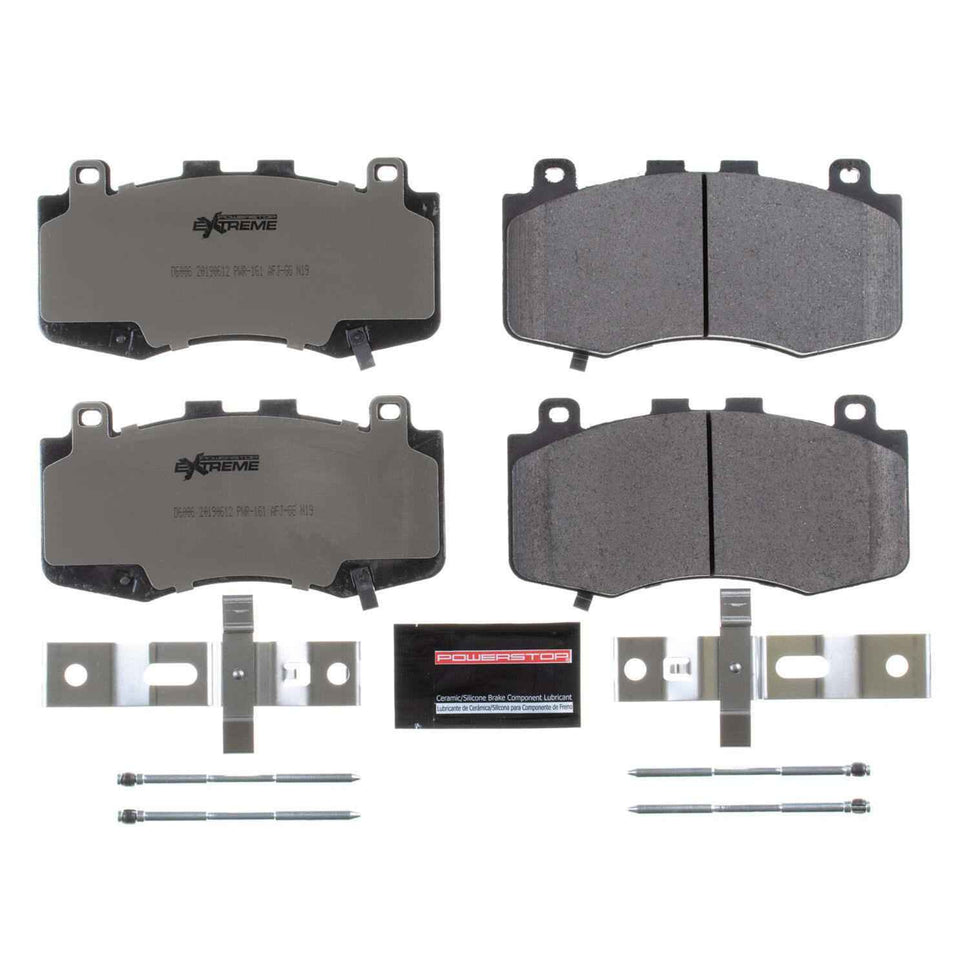
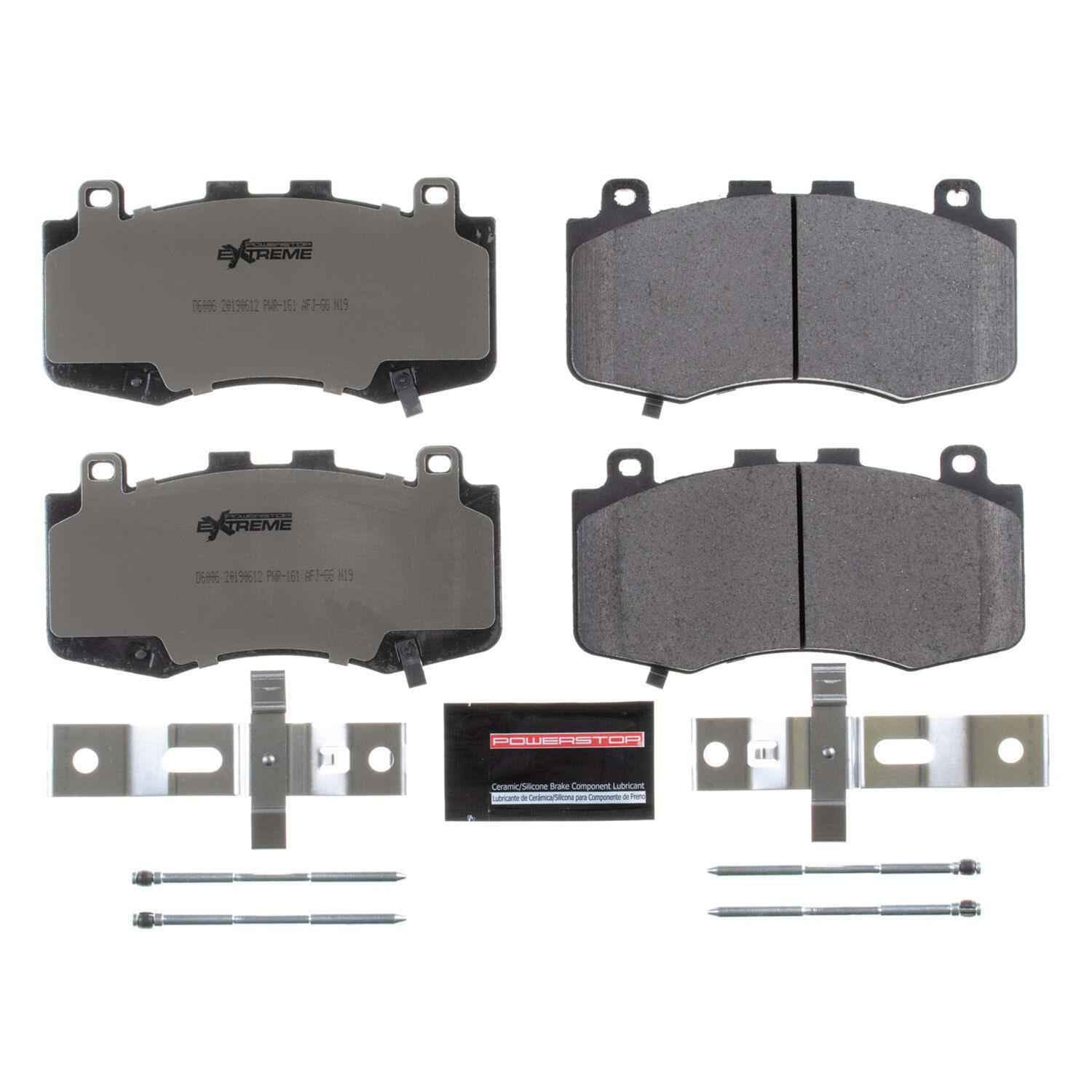
PowerStop Z26 Street Warrior Brake Pads and Hardware Kits for 2021-2024 DURANGO, 2018-2021 GRAND CHEROKEE - Z26-6006
Regular price
$159.37

Price :
Regular price
$159.37
SKU :
PWR-Z26-6006

Save $-115.95
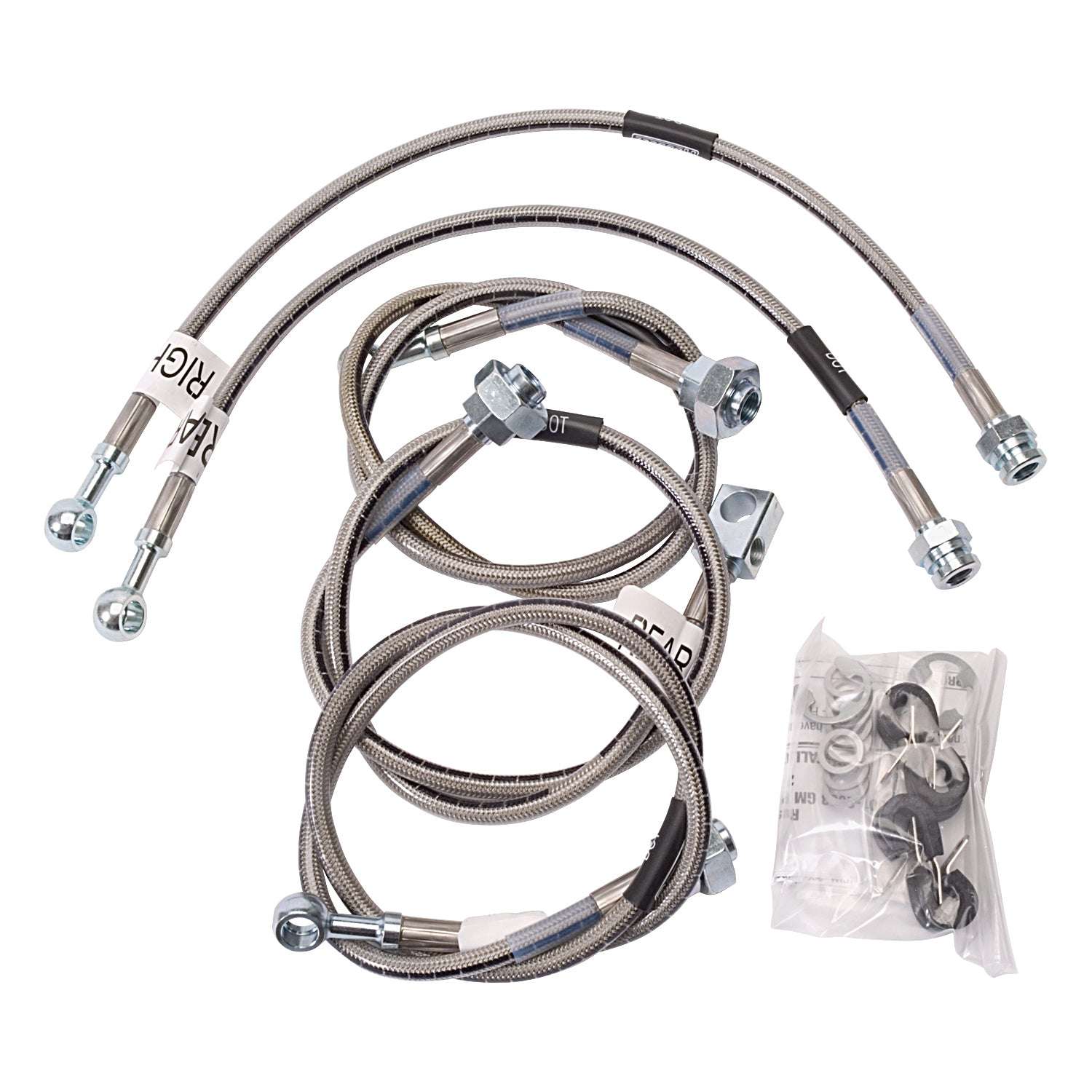
2001-06 GM Silverado/Sierra HD & Rancho (Front Disc, Rear Disc) 5 Lines
Regular price
$115.95

Price :
Regular price
$115.95
SKU :
695770

Save $-962.73
PowerStop 22-24 Jeep Grand Wagoneer Z36 Truck & Tow Brake Kit psbK8843-36
Regular price
$962.73


Price :
Regular price
$962.73
SKU :

Save $-59.99
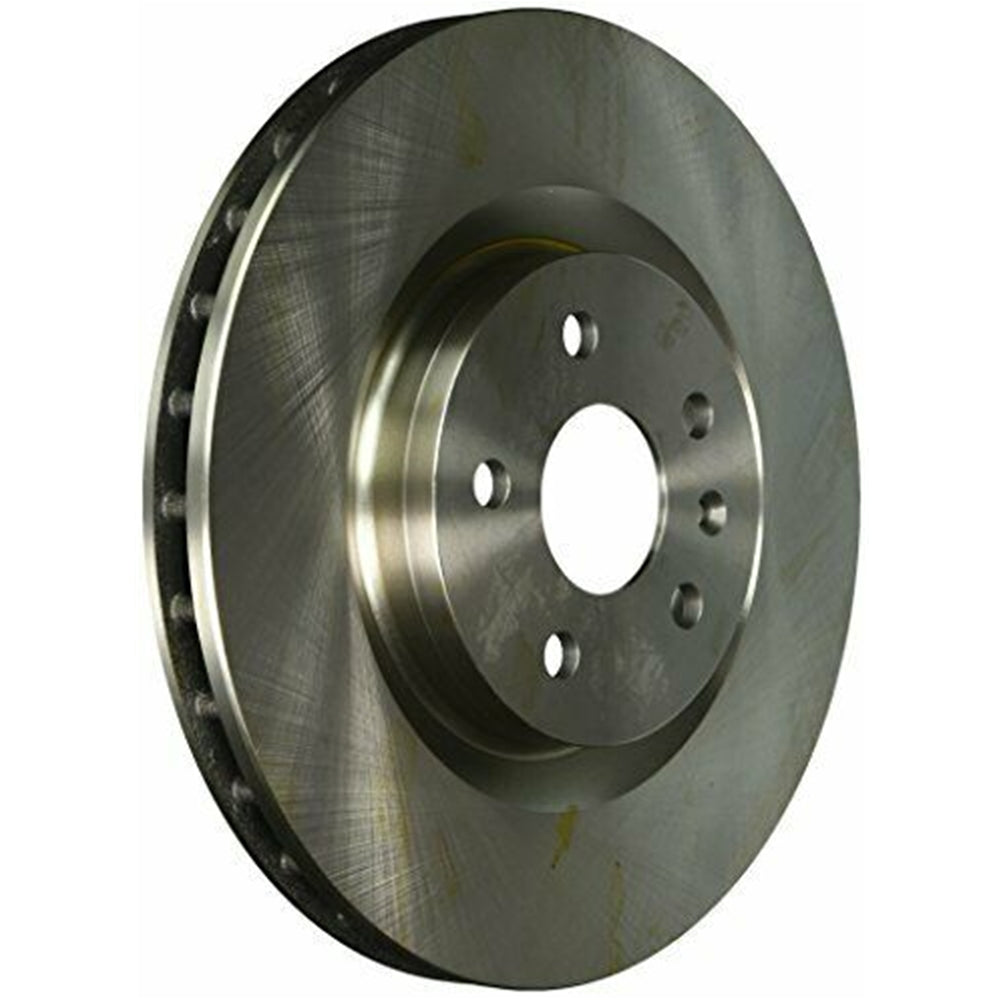
Centric 2010-2016 Chevy Camaro Standard Front Brake Rotor 121.62124
Regular price
$59.99

Price :
Regular price
$59.99
SKU :
STH-121.62124

Save $-1,484.03
Power Stop 10-15 Chevrolet Camaro Front & Rear Z26 Street Warrior Brake Kit K5603-26
Regular price
$1,484.03


Price :
Regular price
$1,484.03
SKU :
PST-K5603-26

Save $-275.97
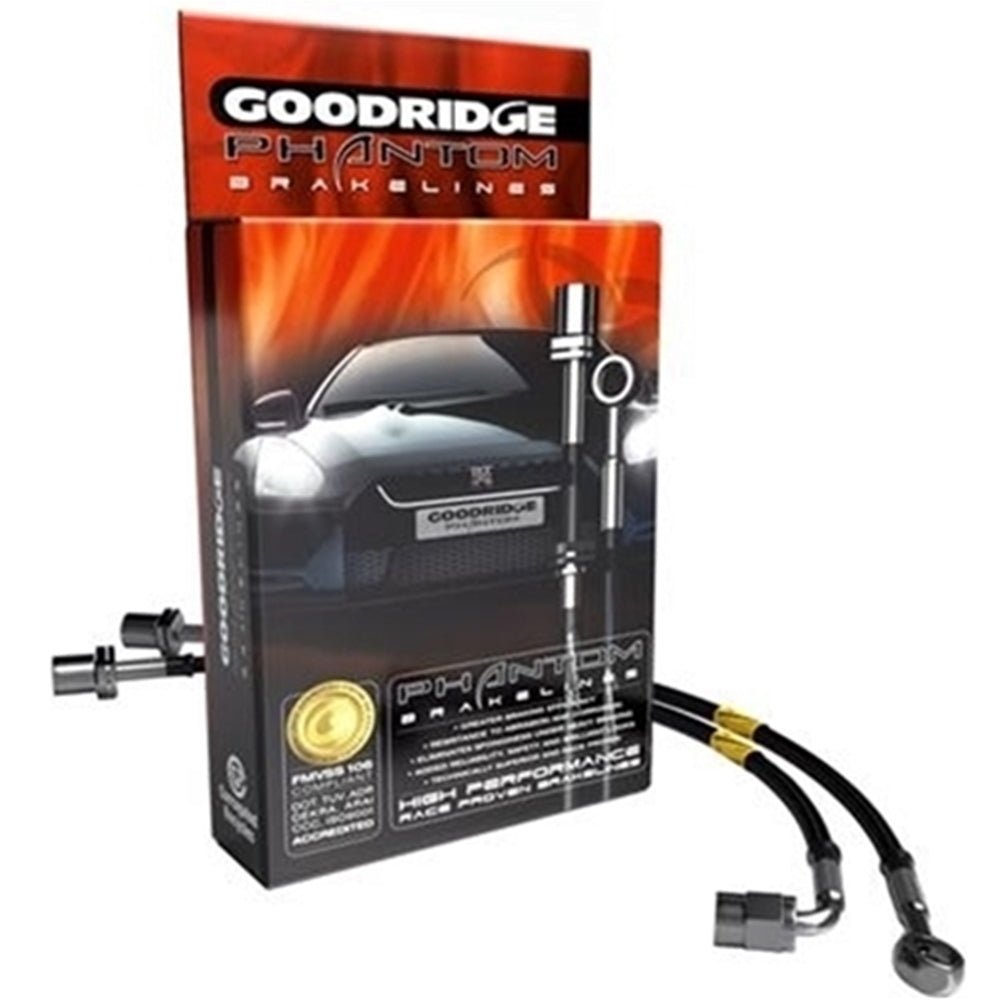
Goodridge 10-15 Chevy Camaro SS Models Phantom Stainless Steel Brake Lines 12219BKC
Regular price
$275.97

Price :
Regular price
$275.97
SKU :
GDR-12219BKC

Save $-275.97
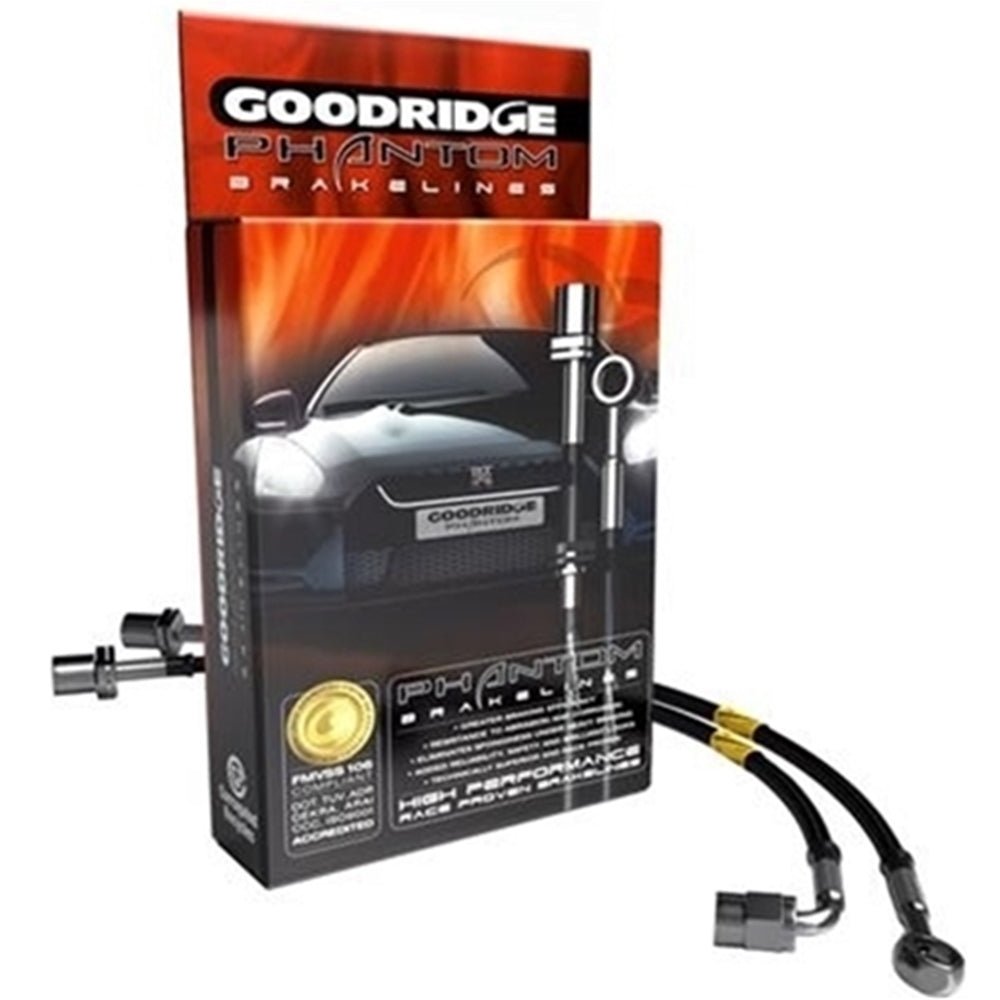
Goodridge 12-15 Chevy Camaro ZL1 Only Phantom Stainless Steel Brake Lines 12227BKC
Regular price
$275.97

Price :
Regular price
$275.97
SKU :
GDR-12227BKC

Save $-215.95
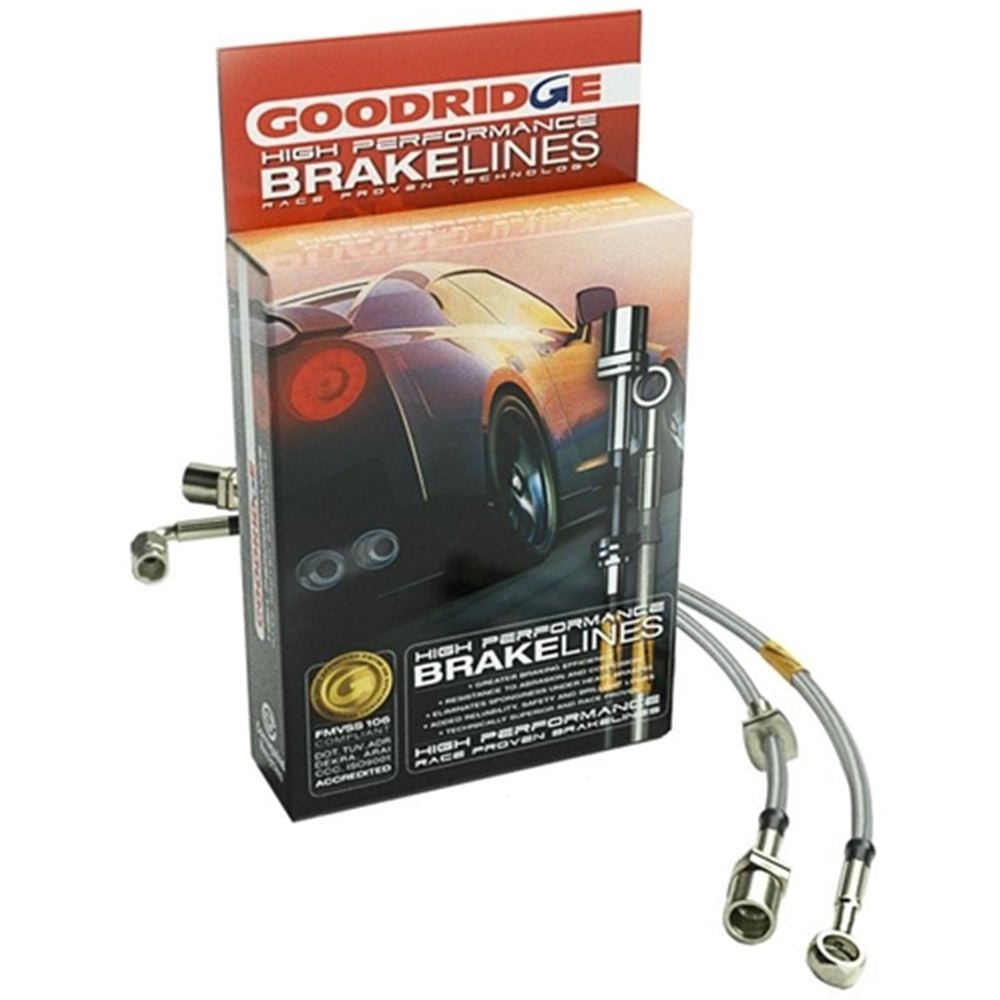
Goodridge 12-15 Chevrolet Camaro (ZL 1 Only) SS Brake Lines 12227
Regular price
$215.95

Price :
Regular price
$215.95
SKU :
GDR-12227

Save $-1,400.00
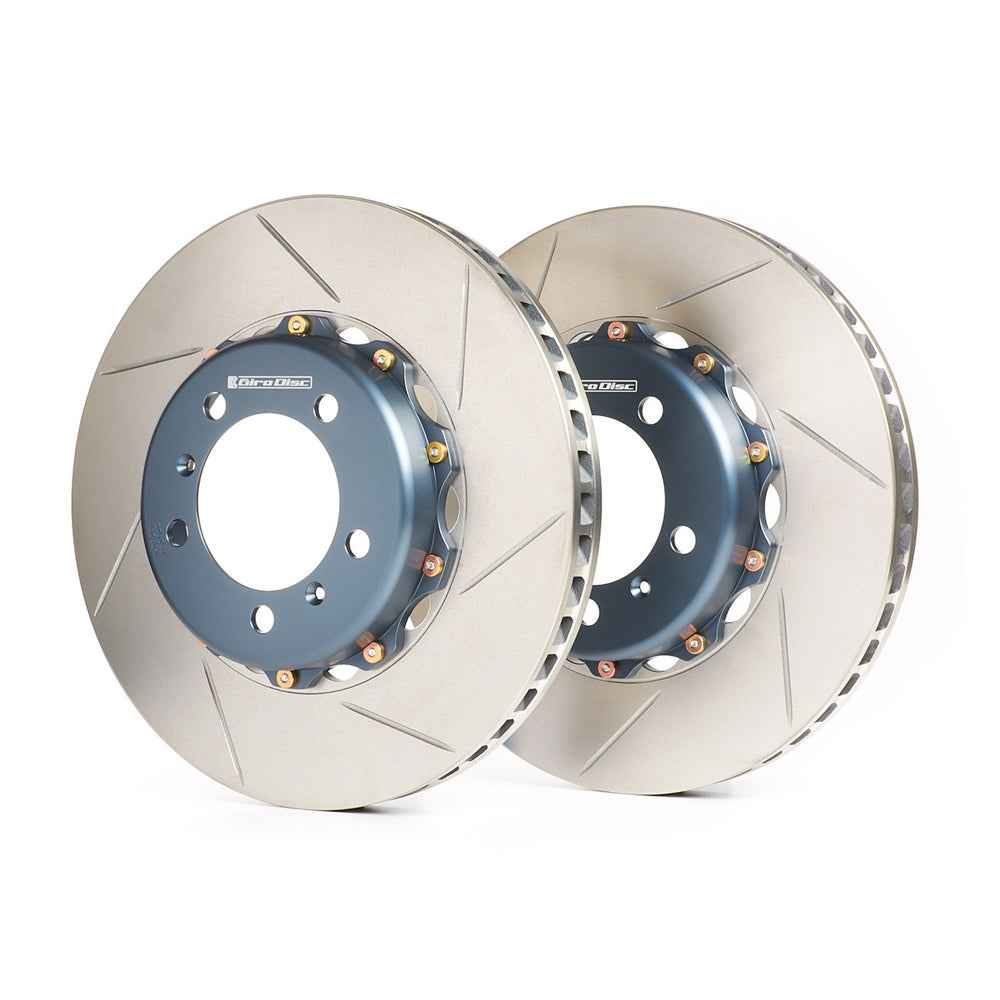
Girodisc Chevrolet Camaro Z/28 (5th Gen) Rear Iron Rotor Conversion A2-172
Regular price
$1,400.00

Price :
Regular price
$1,400.00
SKU :
GDC-A2-172

Save $-1,400.00
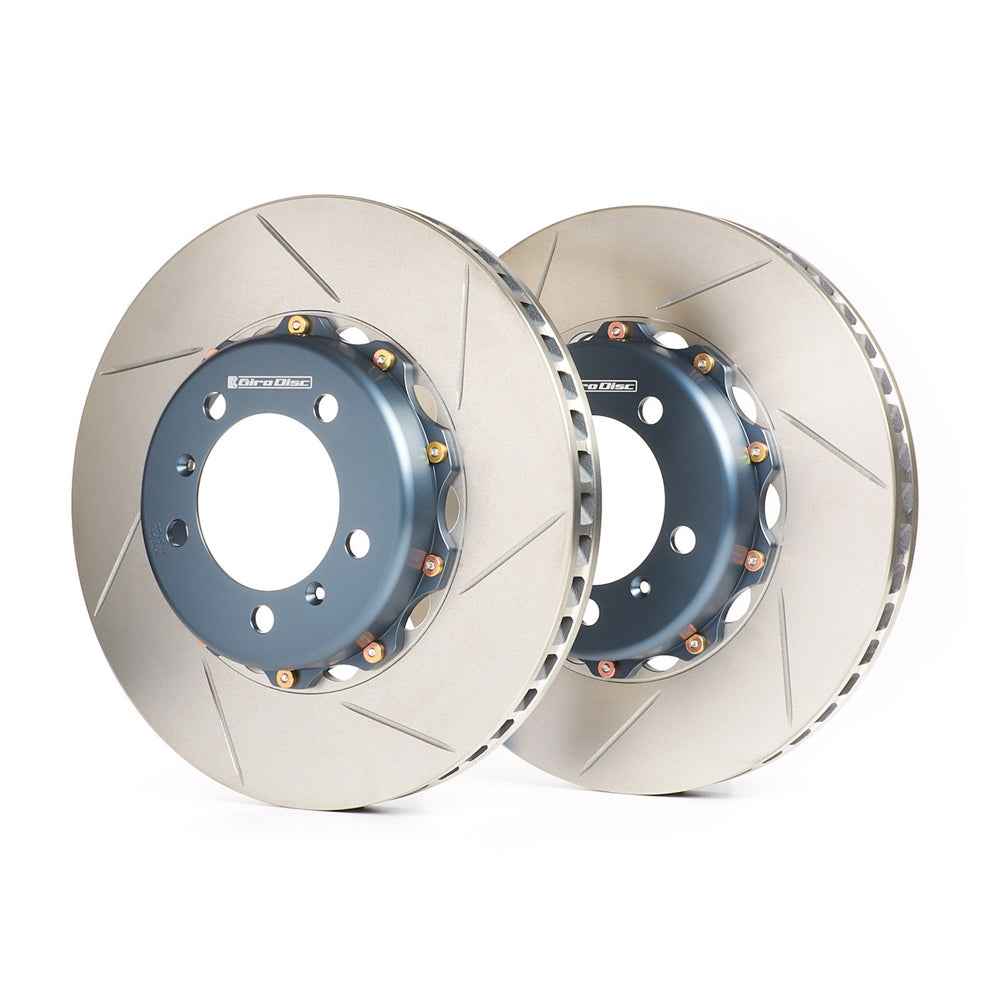
Girodisc Chevrolet Camaro Z/28 (5th Gen) Front Iron Rotor Conversion A1-172
Regular price
$1,400.00

Price :
Regular price
$1,400.00
SKU :
GDC-A1-172

Save $-90.00
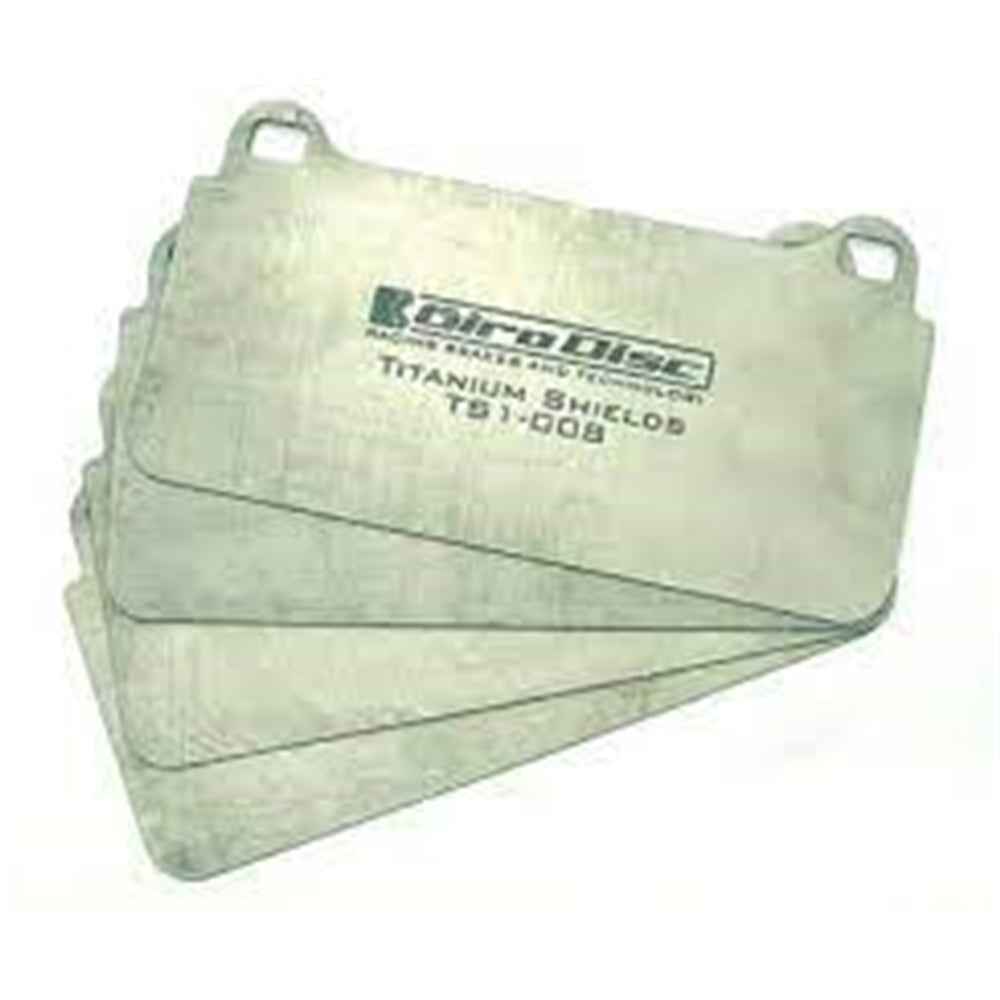
Girodisc Titanium Pad Shields for 592 Shape TS-0592-4
Regular price
$90.00

Price :
Regular price
$90.00
SKU :
GDC-TS-0592-4