Save $-39.95
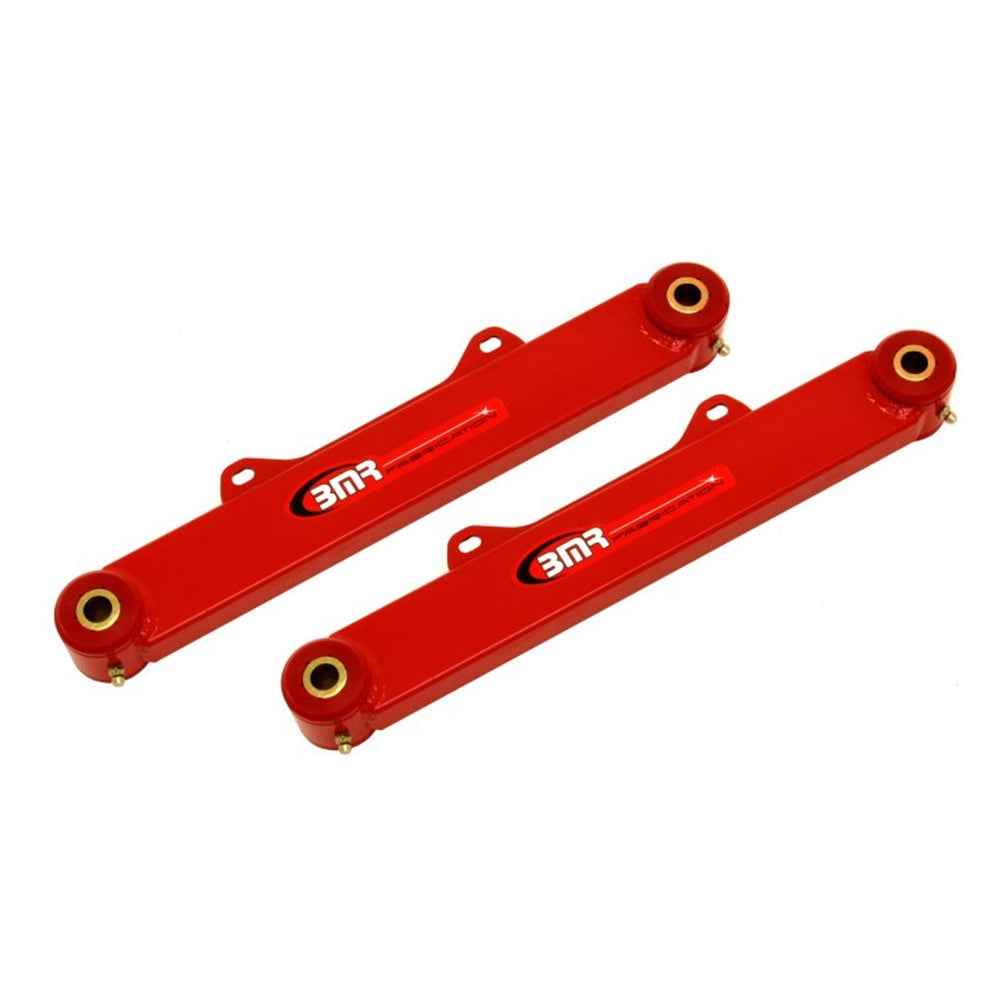
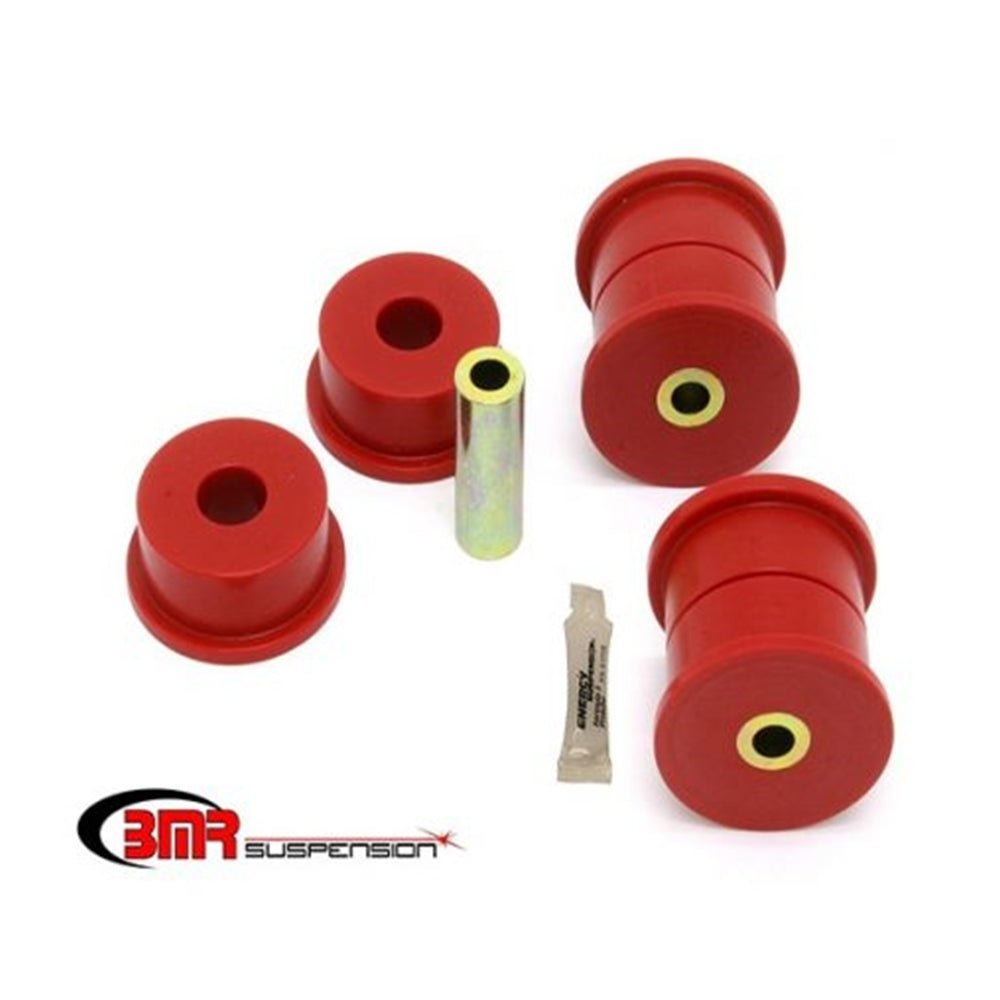
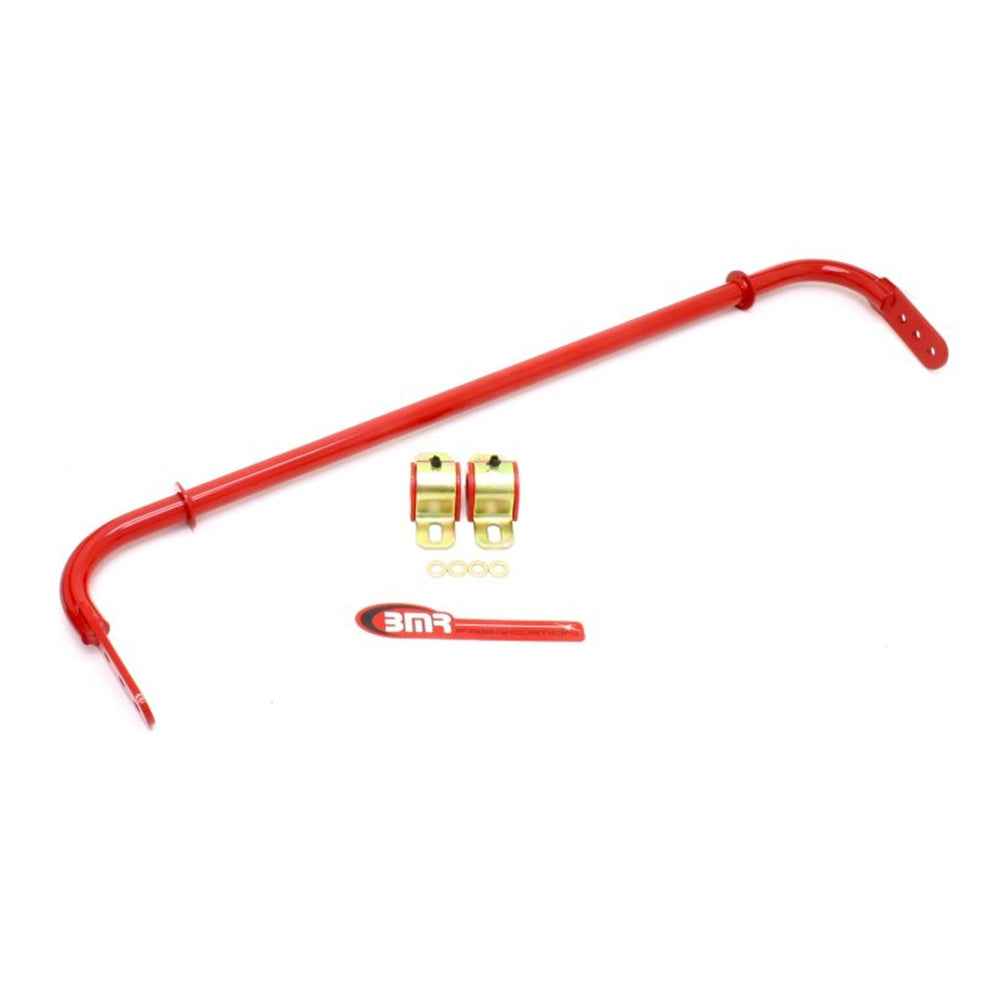
BMR 10-15 5th Gen Camaro Rear Outer Trailing Arm Bushing Kit - Red BK006
Regular price
$39.95

The Chassis and Suspension Systems play a critical role in the functionality and performance of a vehicle. Understanding how these systems work together can help improve the driving experience and enhance vehicle safety. The chassis of a vehicle is essentially its main frame—it supports the body and the various mechanical components. The suspension system, on the other hand, is responsible for maintaining vehicle stability, allowing for smooth rides, and ensuring the vehicle's tires are in optimal contact with the road surface.
There are several components that make up the chassis, including the frame, wheels, axles, and the powertrain. The frame is the backbone of the vehicle, providing strength and rigidity. There are various frame designs, such as ladder frames and unibody constructions, each with its own advantages and applications. The choice of frame design affects the vehicle's weight, strength, and crash safety.
The suspension system consists of springs, shock absorbers, control arms, and various linkages that connect the vehicle's body to the wheels. The primary purpose of the suspension is to absorb shocks from the road, maintain correct wheel alignment, and ensure passenger comfort. Different types of suspension systems exist, including independent and dependent suspensions, each with unique attributes that impact vehicle handling and response.
In investigating the Chassis and Suspension Systems, it is essential to consider the materials used to construct these components. Modern vehicles predominantly employ high-strength steel, aluminum, and composite materials that help reduce weight while enhancing performance. These materials not only affect the overall strength of the chassis and suspension but also contribute to fuel efficiency and ride quality.
The interaction between the chassis and suspension systems is vital for optimal vehicle performance. An effective suspension system improves a car’s handling capabilities, stability during acceleration, braking, and cornering. The suspension geometry, for instance, concerns the angles and arrangement of the suspension components, directly impacting roll centers and weight distribution under various driving conditions.
Furthermore, adjustments and modifications to these systems can greatly influence driving experiences. Many automotive enthusiasts choose to upgrade their suspension systems to enhance performance characteristics, such as cornering stiffness, ride comfort, and overall responsiveness. These modifications can include installing coilovers, upgrading shock absorbers, or changing the spring rates.
When evaluating the suspension, one must also consider the role of tires and their interaction with the suspension system. Tires serve as the only contact point between the vehicle and the road. A well-engineered chassis paired with an efficient suspension system can only achieve peak performance if the tires are properly matched and maintained.
Maintenance of the Chassis and Suspension Systems is crucial for vehicle longevity and safety. Regular checks for wear and tear, such as inspecting bushings, controlling arm integrity, and assessing shock absorber efficiency, can prevent severe vehicle issues down the line. Car manufacturers often provide guidelines for maintenance intervals, which should be closely followed to ensure the systems remain in optimal condition.
Finally, as automotive technology evolves, the integration of advanced systems such as air ride suspensions, adaptive dampers, and active suspension systems becomes more common. These technologies adapt in real-time, responding dynamically to changing road conditions and driver inputs. As a result, they enhance not just comfort and stability, but also safety in various driving scenarios.
In conclusion, the Chassis and Suspension Systems comprise two essential components that work collectively to ensure vehicle safety, comfort, and performance. A comprehensive understanding of these systems is essential for automotive professionals, enthusiasts, and anyone looking to optimize their driving experience. By being aware of the components, their interactions, and maintenance requirements, vehicle owners can appreciate the engineering marvel that is their vehicle's chassis and suspension, leading to safer and more enjoyable driving adventures.