Save $-496.00
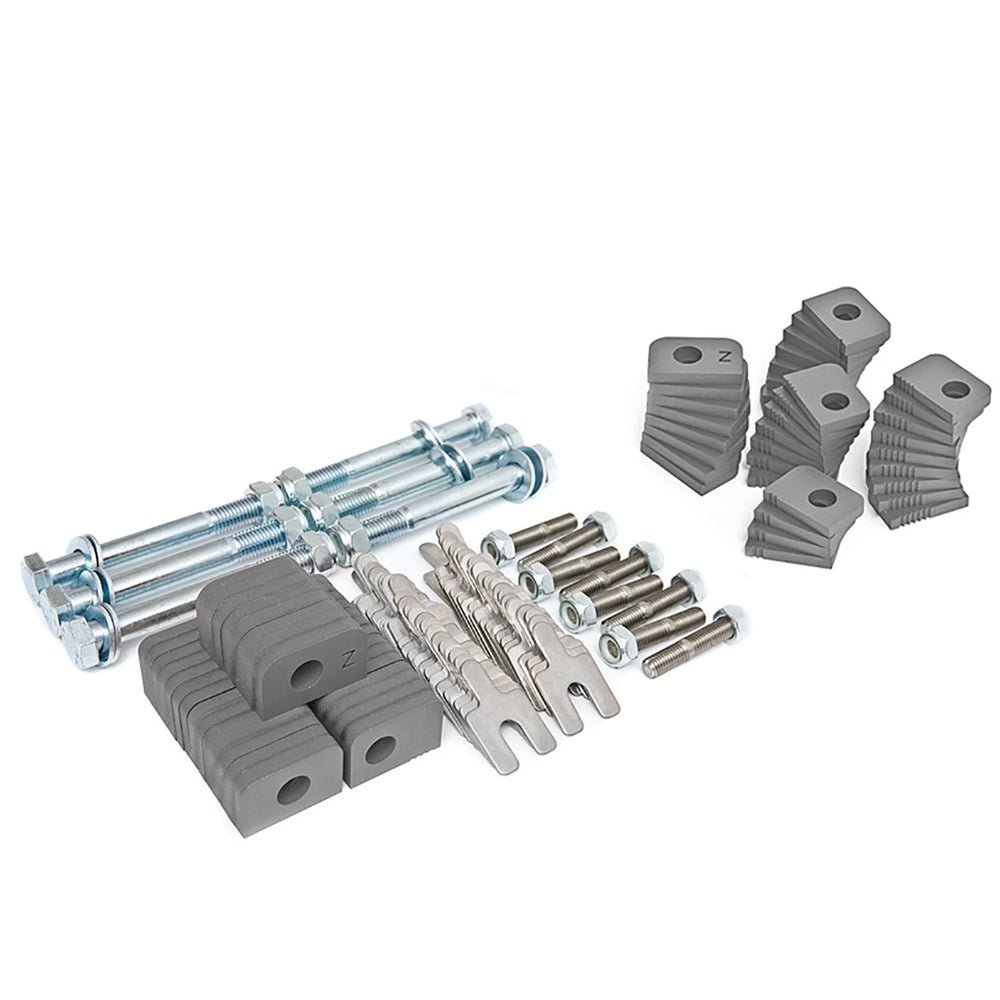
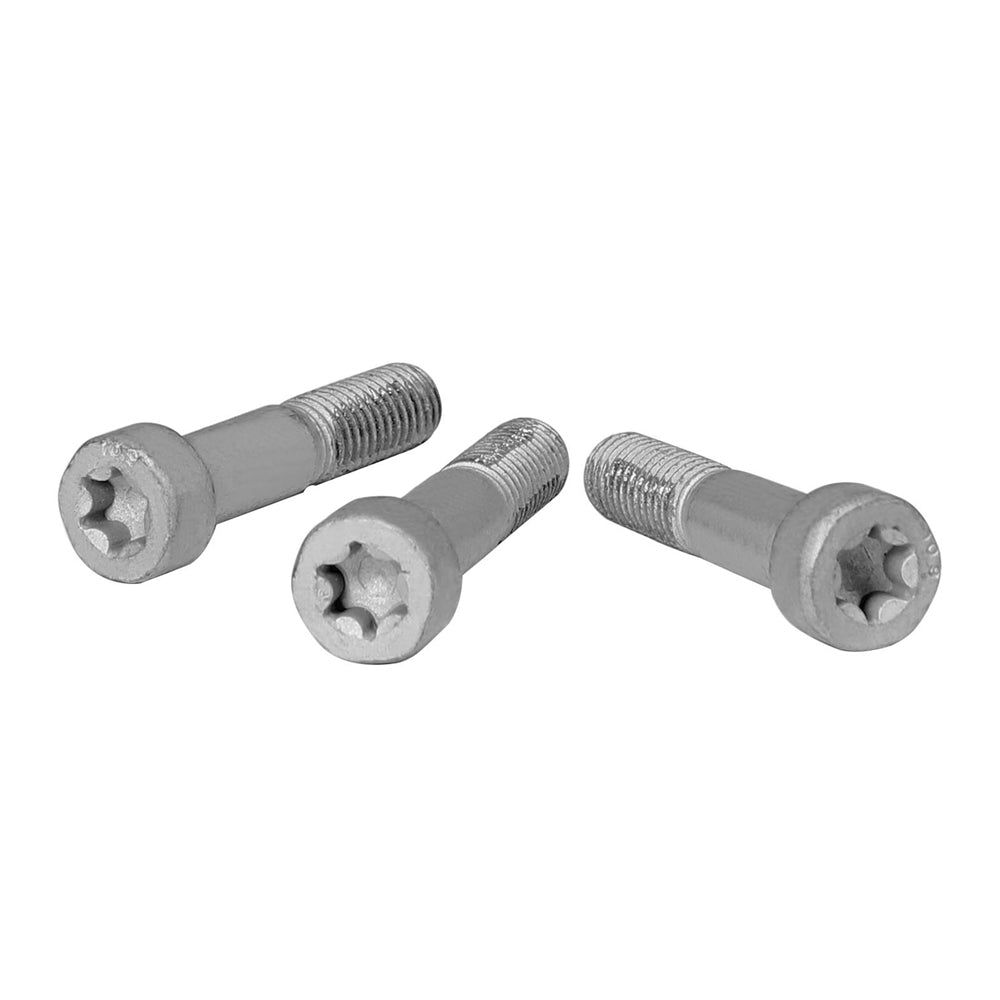
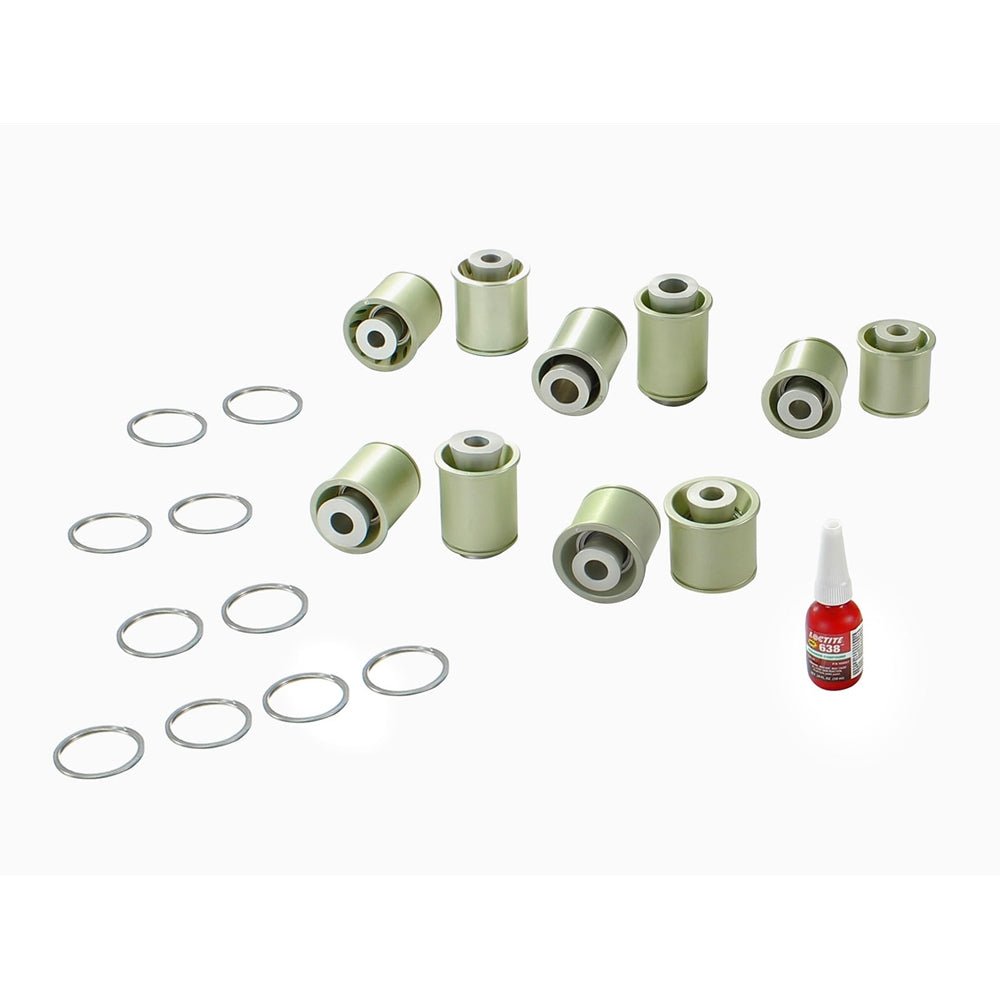
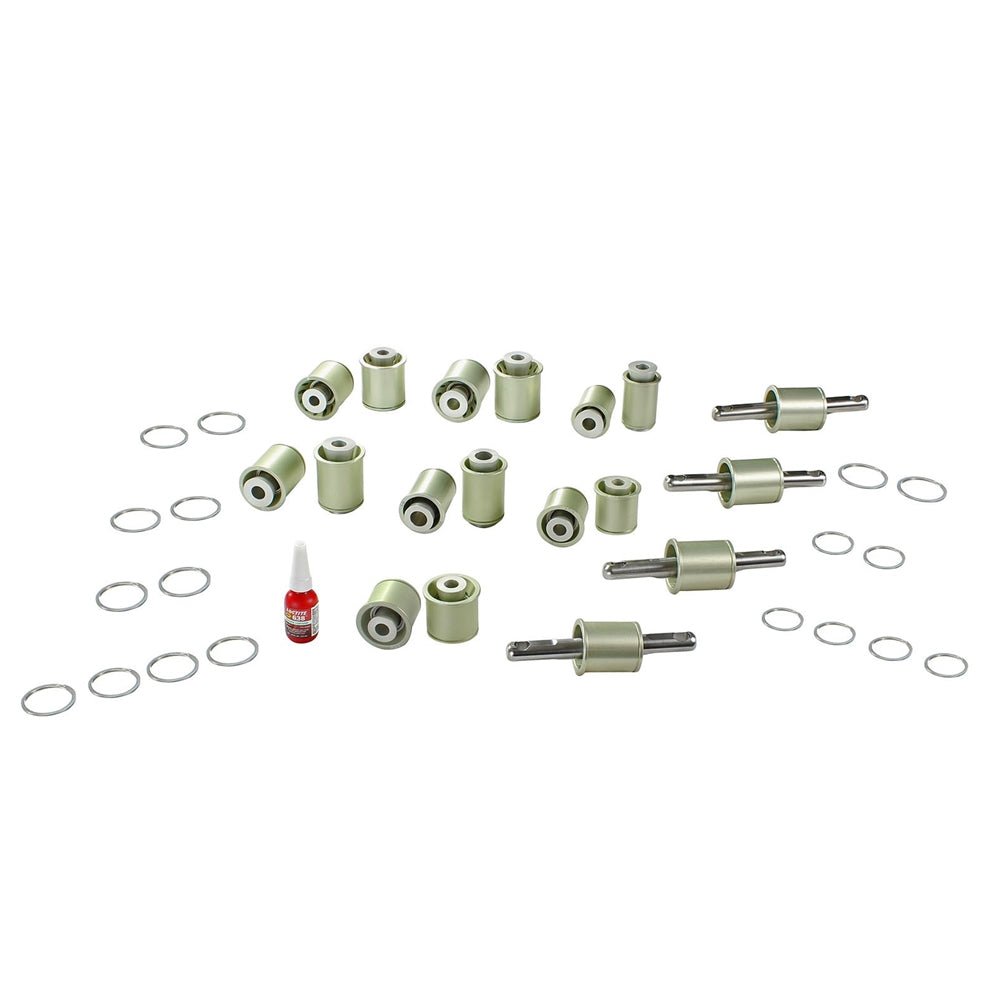
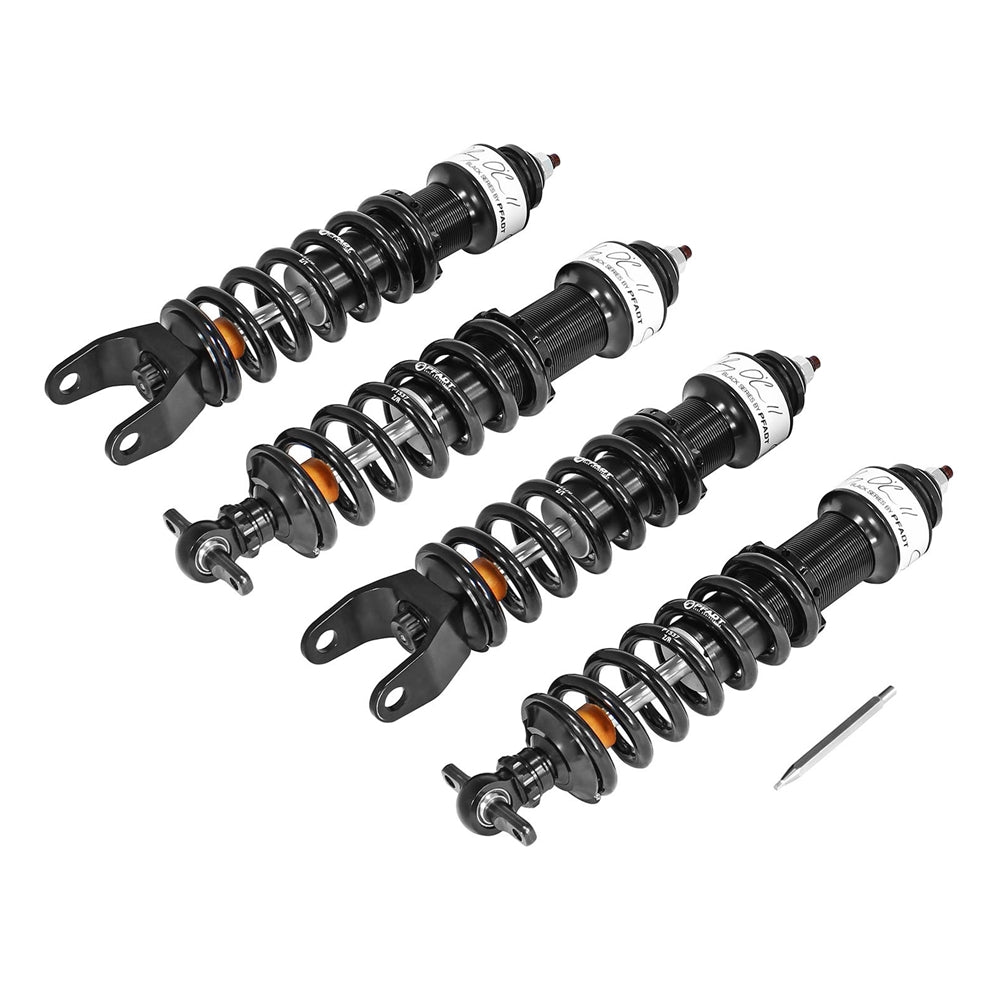
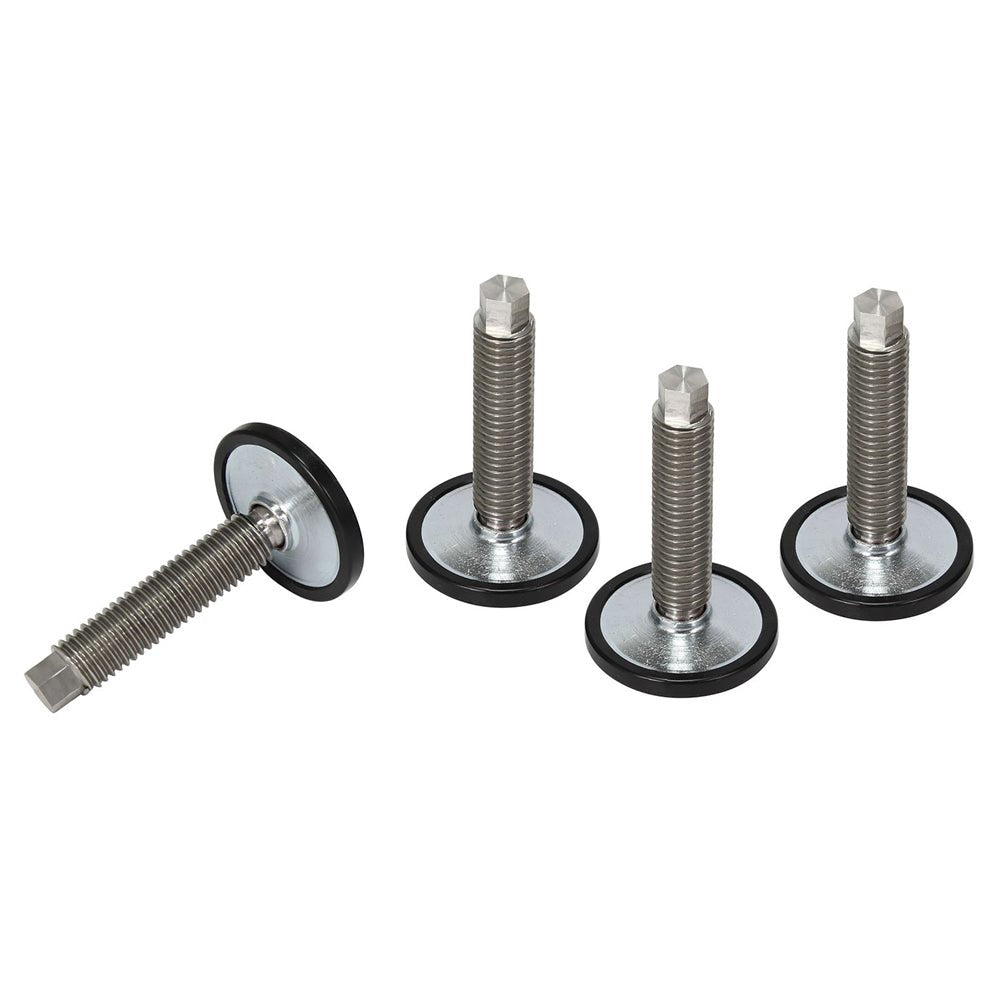
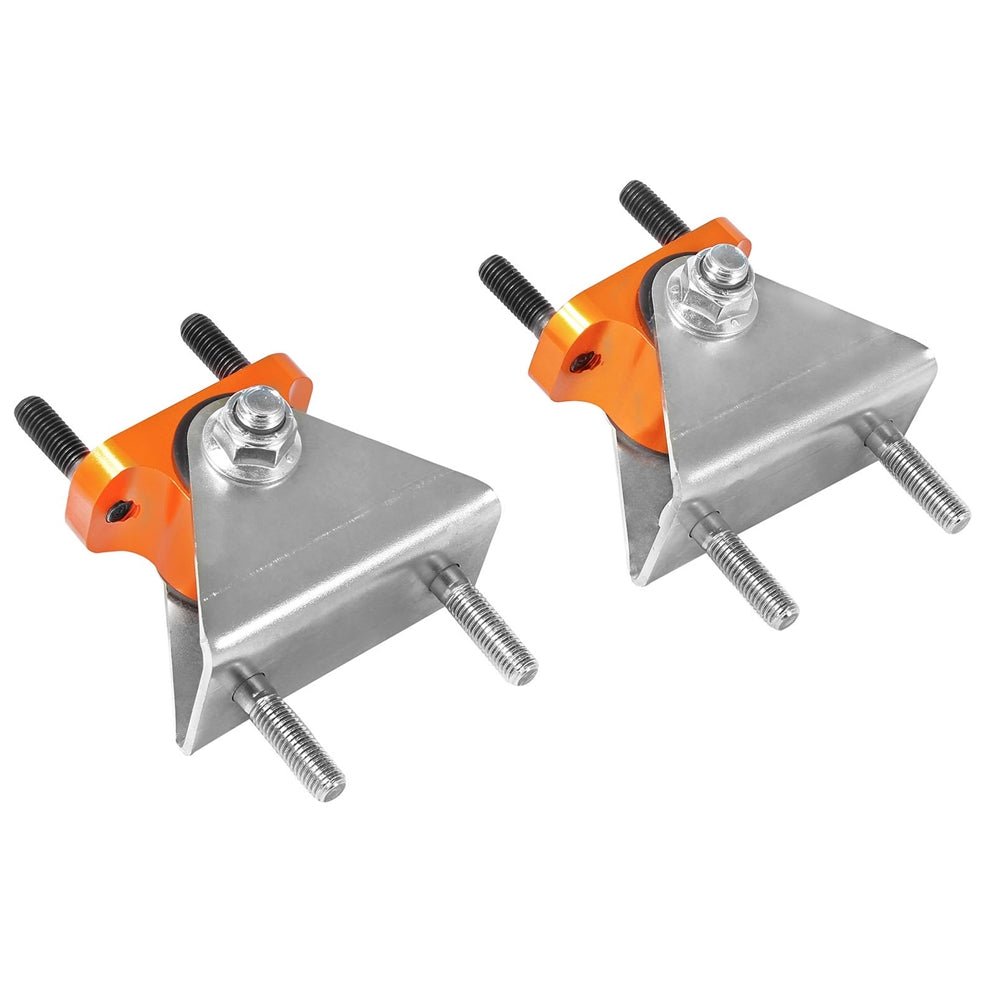
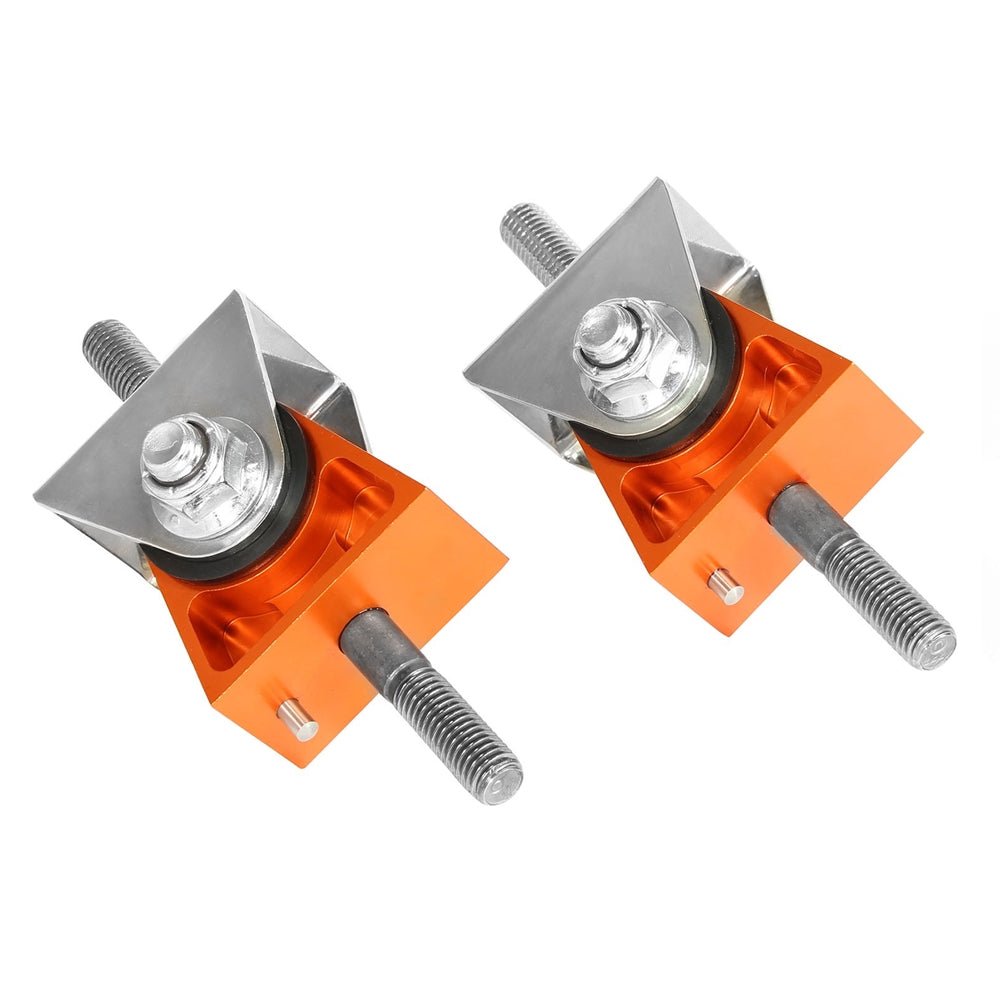
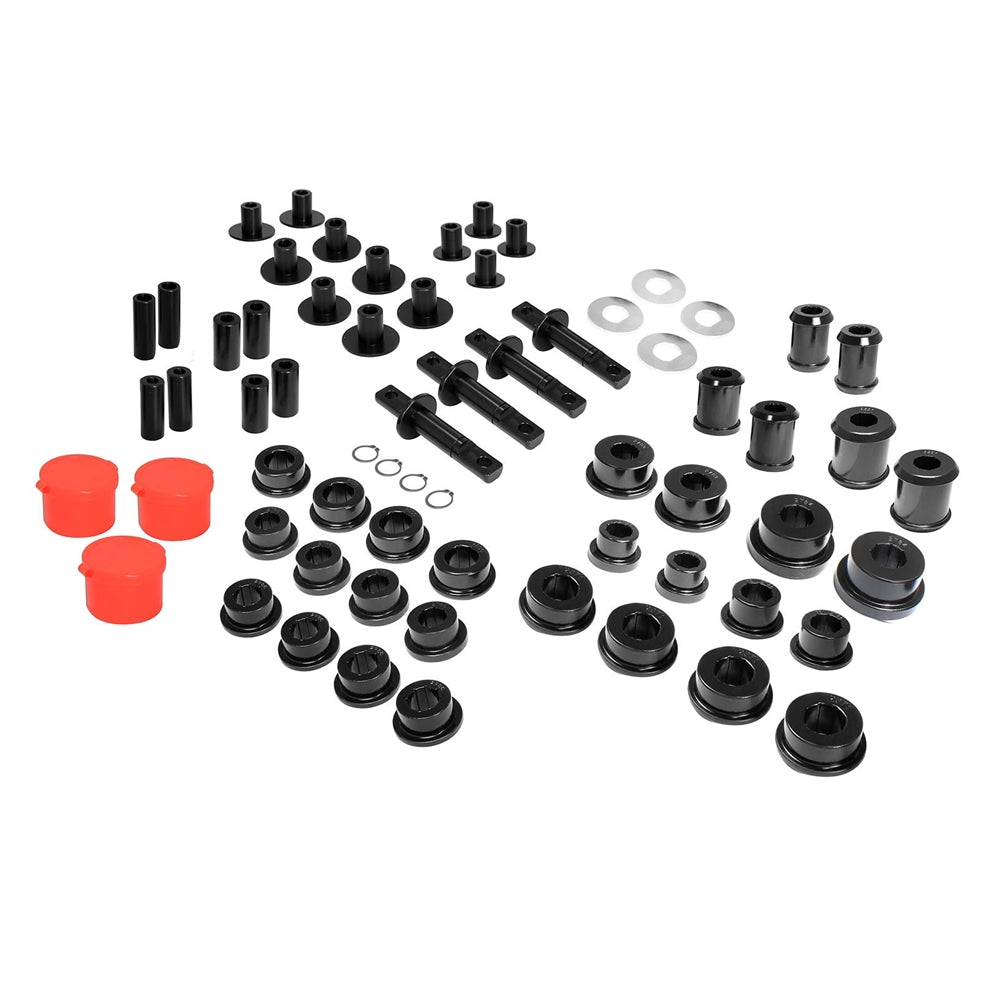
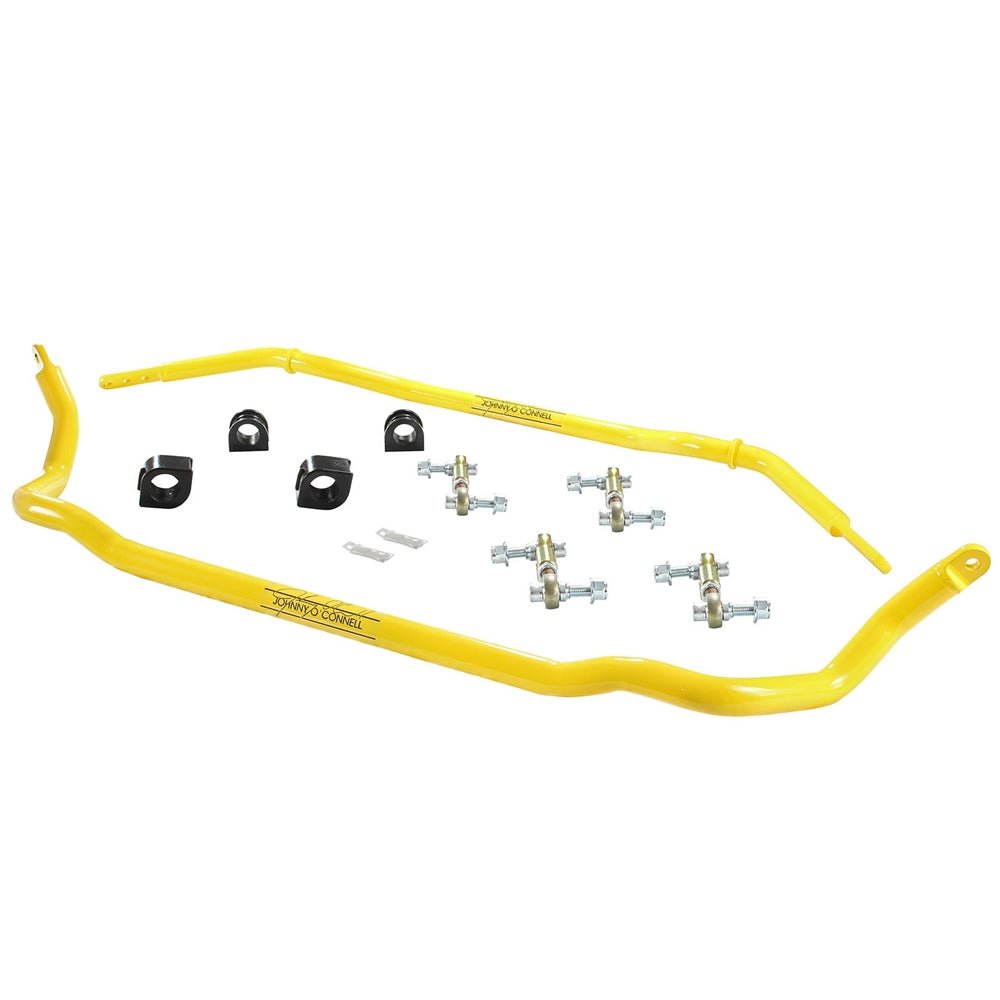
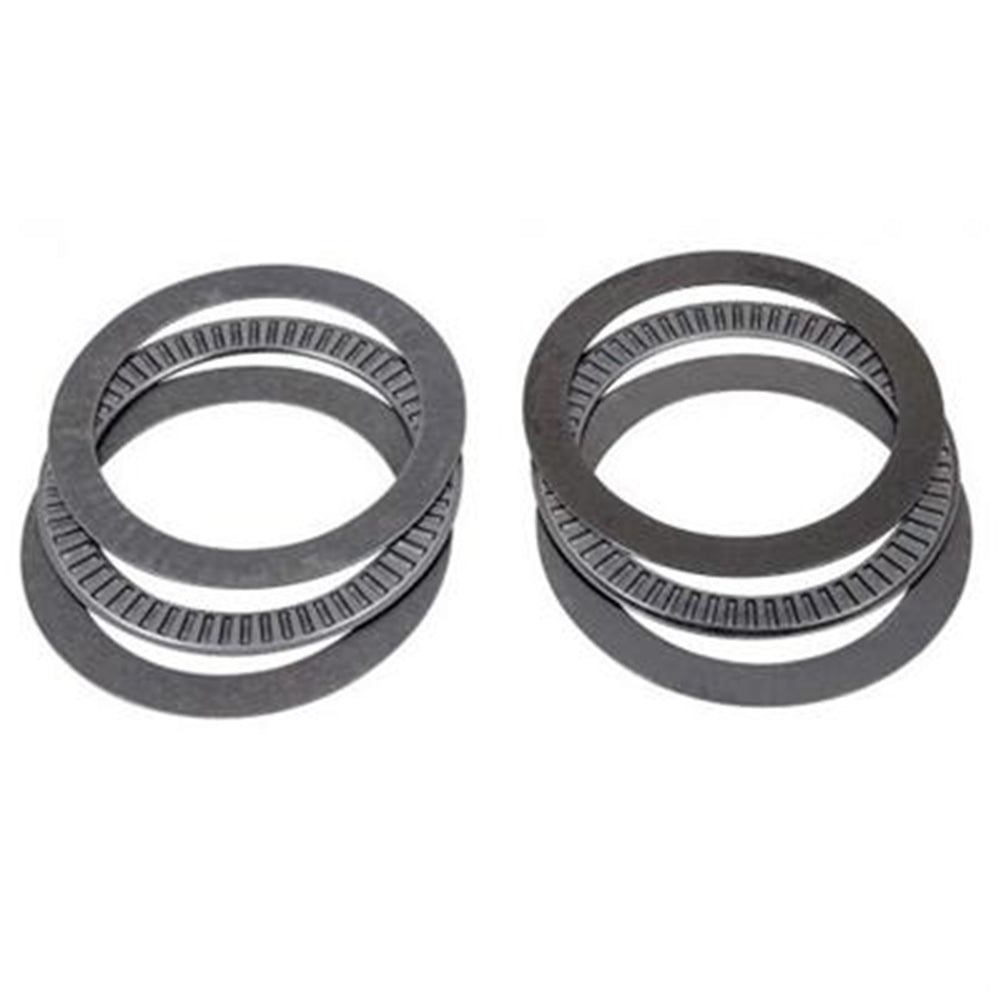
aFe Control PFADT Series Steel Frame Camber Kit; Chevrolet Corvette (C5/C6) 97-13 450-401009-A
Regular price
$496.00

Chassis Suspension Components play a pivotal role in the overall performance, safety, and comfort of vehicles. These components are essential for maintaining vehicle stability, handling, and ride quality. A well-designed chassis and suspension system ensure that the vehicle can navigate various terrains and conditions effectively.
Understanding chassis suspension components begins with recognizing their fundamental purpose. The chassis serves as the vehicle’s backbone, supporting the body and providing a framework to which all other parts are attached. The suspension system, on the other hand, connects the wheels to the chassis, allowing for controlled movement. This connection is crucial, as it directly influences how a vehicle interacts with the road, absorbs bumps, and maintains traction during acceleration, braking, and cornering.
Chassis suspension components include a wide variety of parts such as springs, shock absorbers, control arms, sway bars, and struts. Each of these components plays a specific role in ensuring that the vehicle handles smoothly and responds predictably to driver inputs. For example, springs are designed to support the weight of the vehicle and manage the energy produced by driving over uneven surfaces, while shock absorbers (or dampers) work to control the oscillations of the springs, providing a stable ride.
In more detail, let’s explore some of the key components. Springs, typically made from steel, are classified into several types, including coil springs, leaf springs, and air springs. Coil springs are commonly used in modern vehicles due to their compact design and effective performance. Leaf springs, once prevalent in older vehicles and trucks, provide durability and strength, while air springs offer adjustable ride height and load support.
Shock absorbers, also known as dampers, are integral to vehicle performance. They control the up-and-down movement of the vehicle caused by spring compression and help in dissipating energy. The choice of shock absorber—whether gas-filled, oil-filled, or even high-performance variants—can significantly affect ride comfort and handling precision. Performance-oriented vehicles often utilize adjustable shocks that allow drivers to tune their vehicle’s response based on personal preference or specific driving conditions.
Control arms, often considered suspension links, connect the wheel hub to the chassis. They allow for controlled wheel movement and contribute to the geometric alignment of the suspension system. Typical types of control arms include upper and lower arms, providing articulation to optimize wheel alignment during suspension travel. The design of control arms can greatly influence the handling and stability of the vehicle, particularly during dynamic driving conditions.
Sway bars, or anti-roll bars, are another crucial component of the suspension system. They reduce body roll during cornering by connecting the left and right wheels. This assists in maintaining consistent tire contact with the road, which enhances grip and stability. The stiffness of sway bars can be tuned according to the vehicle’s performance requirements, making them an essential aspect for both everyday cars and race vehicles.
Tuning suspension systems can also include modifications to ride height, aligning vehicles for either improved aerodynamics or ground clearance depending on their intended use. For performance enthusiasts, adjustable coilovers provide an attractive option, allowing for customized suspension settings that can enhance handling characteristics without sacrificing comfort.
Another crucial element of understanding chassis suspension components is the interaction between the various parts. An optimal suspension system is a series of integrated components working in coordination to provide a harmonious driving experience. Engineers continuously strive to improve the dynamics of these components, ensuring that they respond well under different load conditions and driving scenarios.
It’s important to remember that the design of chassis and suspension systems evolves with advances in technology. Modern vehicles often incorporate sophisticated features such as adaptive suspension systems that utilize sensors to adjust shock settings in real time, providing an extraordinary balance between comfort and performance. These advancements highlight the ongoing effort to enhance the functionality of chassis suspension components while catering to consumers’ desires for both performance and comfort.
In summary, understanding chassis suspension components is essential for anyone interested in automotive engineering or simply wanting to better appreciate vehicle dynamics. Each part plays a critical role in ensuring driver safety, ride comfort, and vehicle performance. By recognizing their functions and relationships, we can appreciate the engineering marvel that is a modern vehicle’s chassis and suspension system, which continues to evolve with technological advancements aimed at providing better driving experiences.
Ultimately, the world of chassis suspension components is intricate and significant, influencing not just how vehicles perform, but also how they feel on the road. As technology progresses, so too will our understanding of these components, leading to even greater advancements in vehicle performance and safety.