Save $-268.99
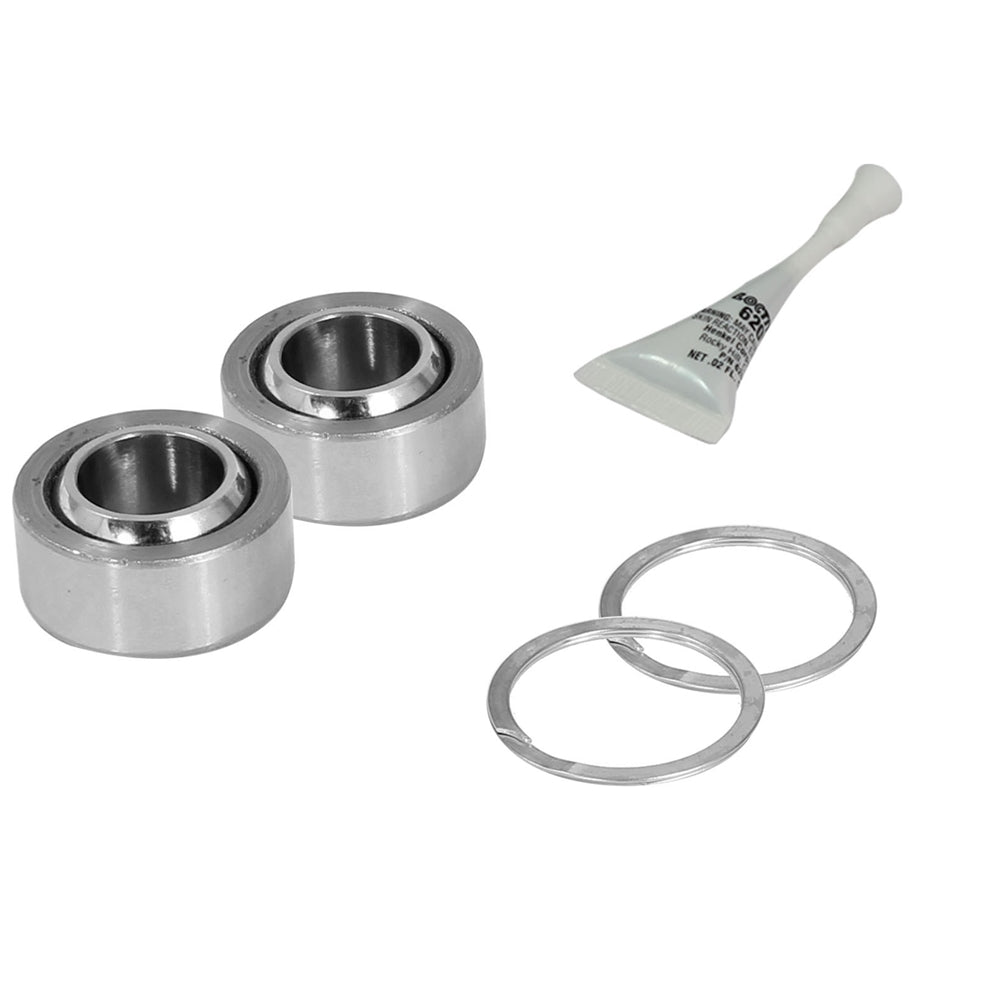
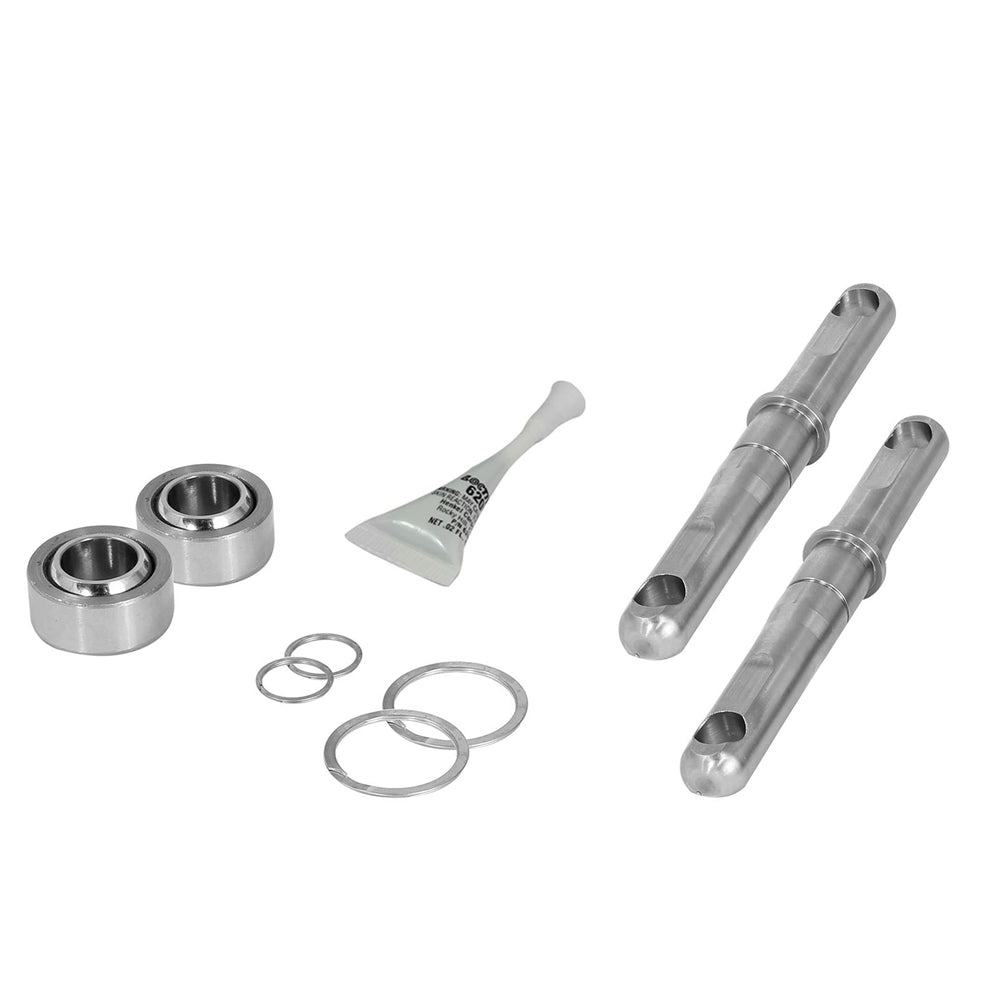
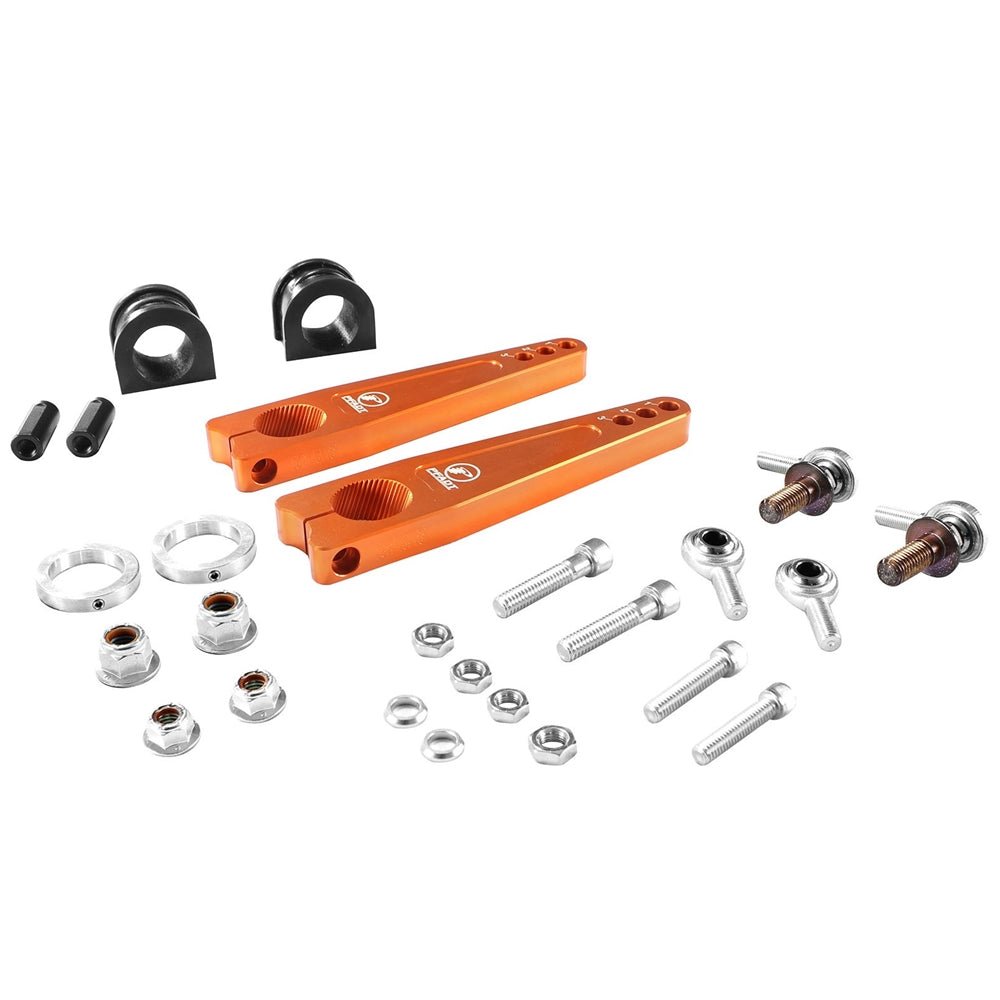
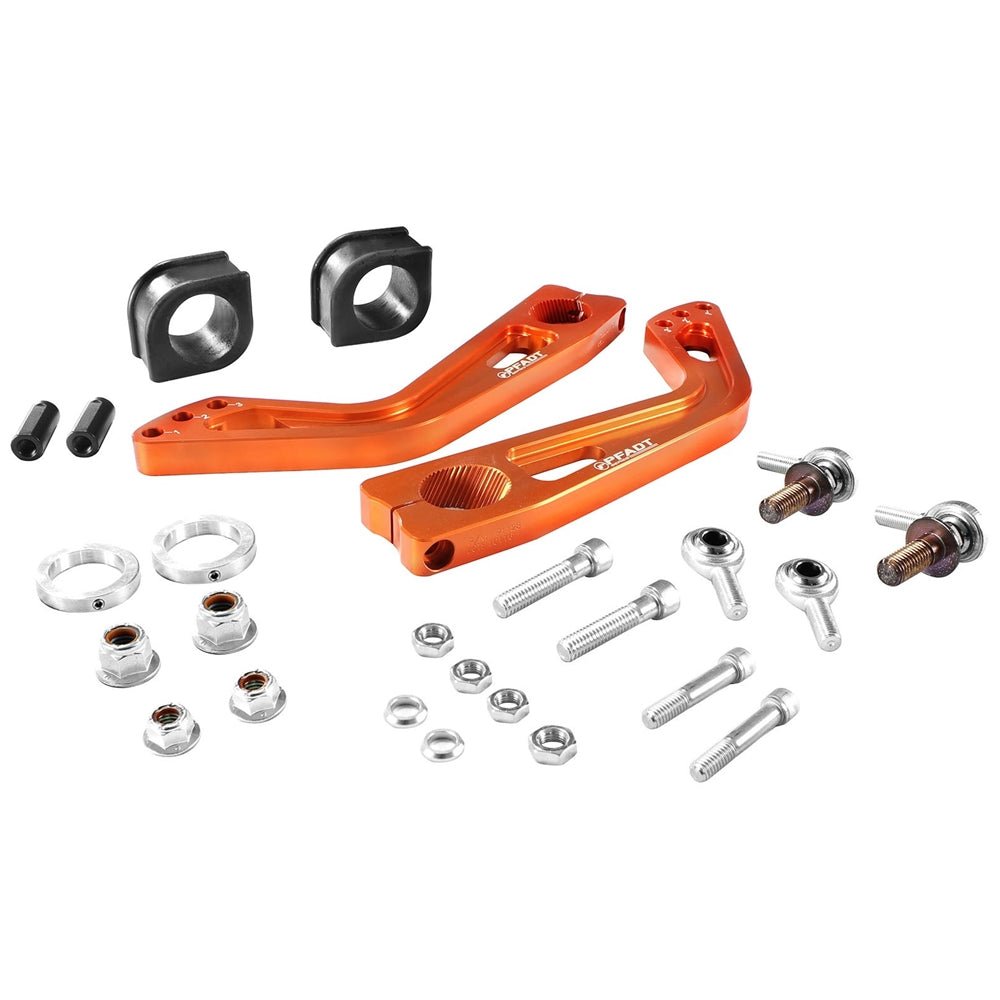
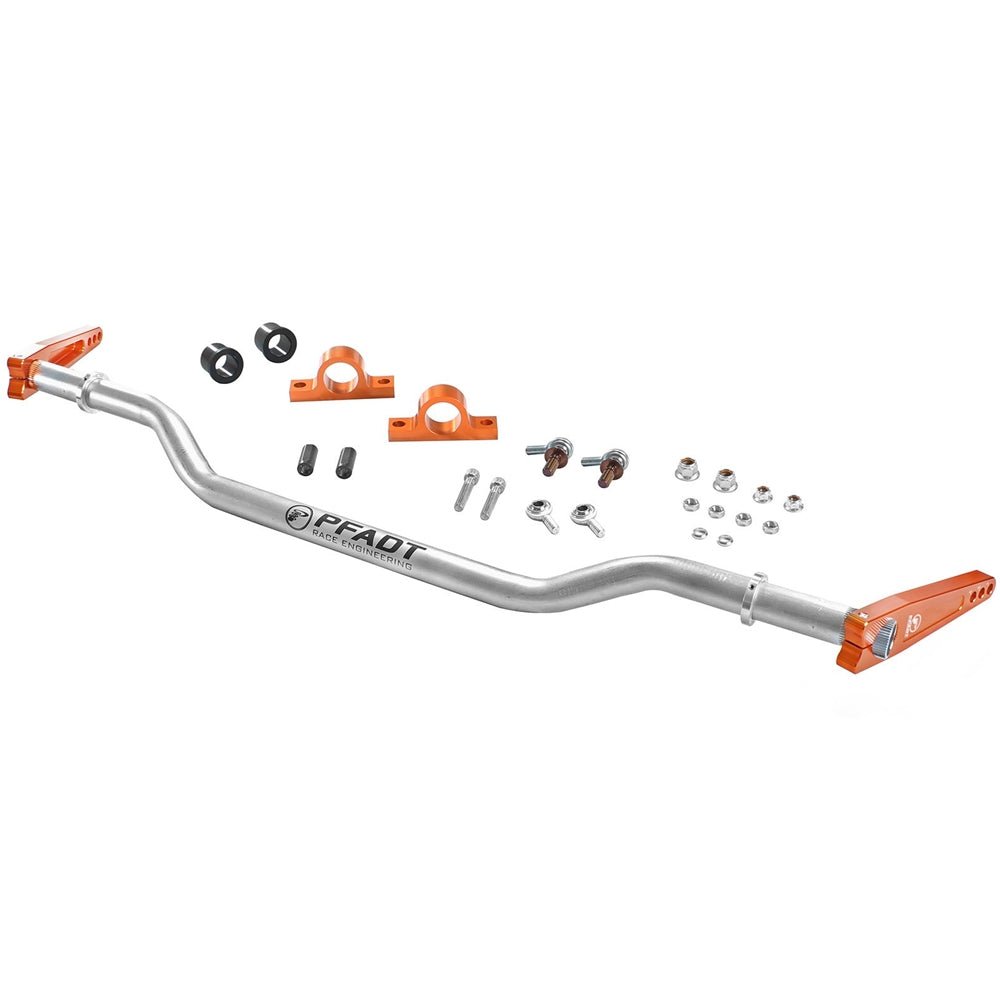
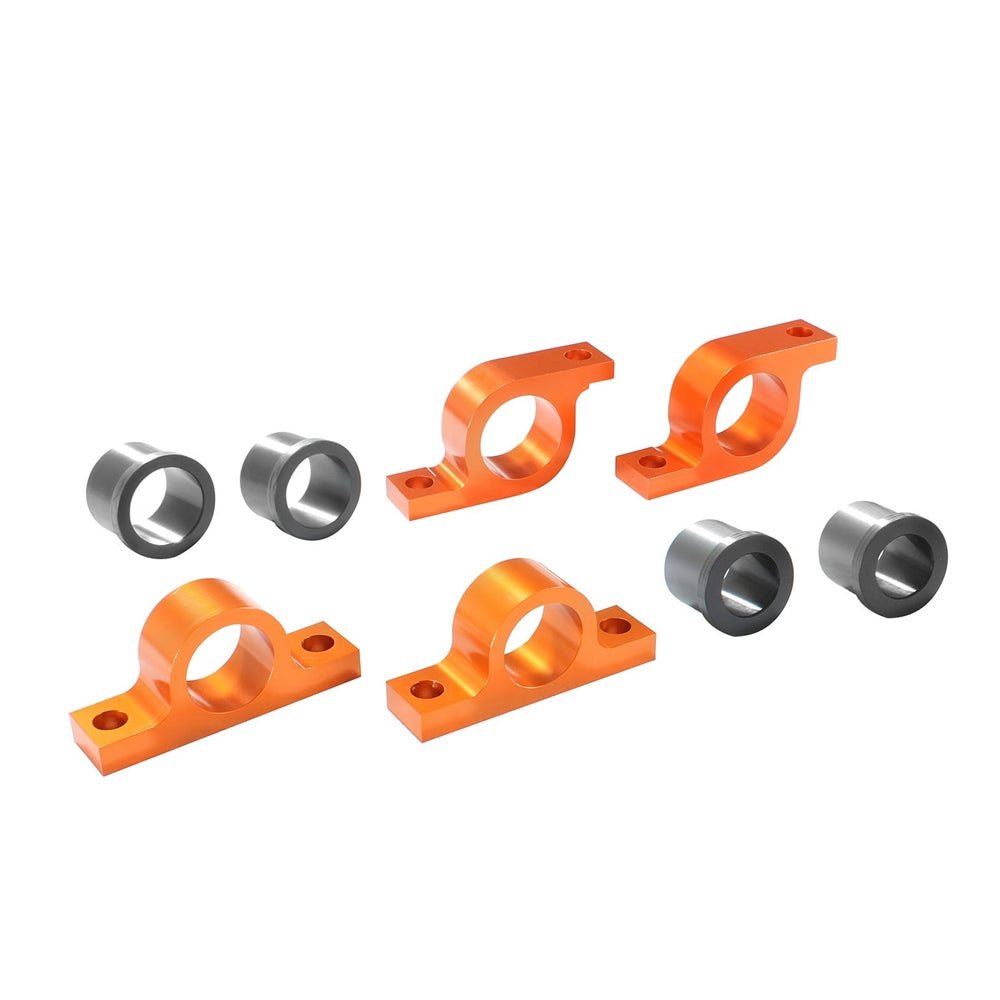
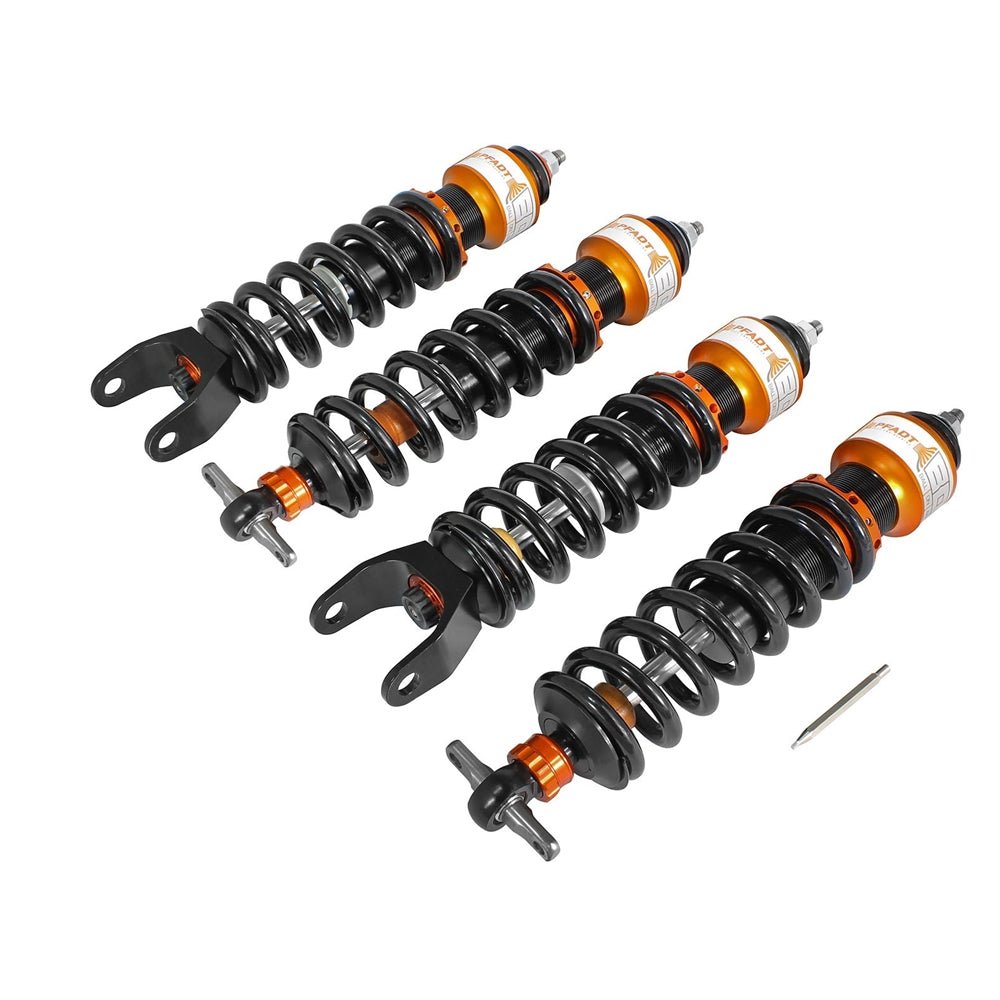
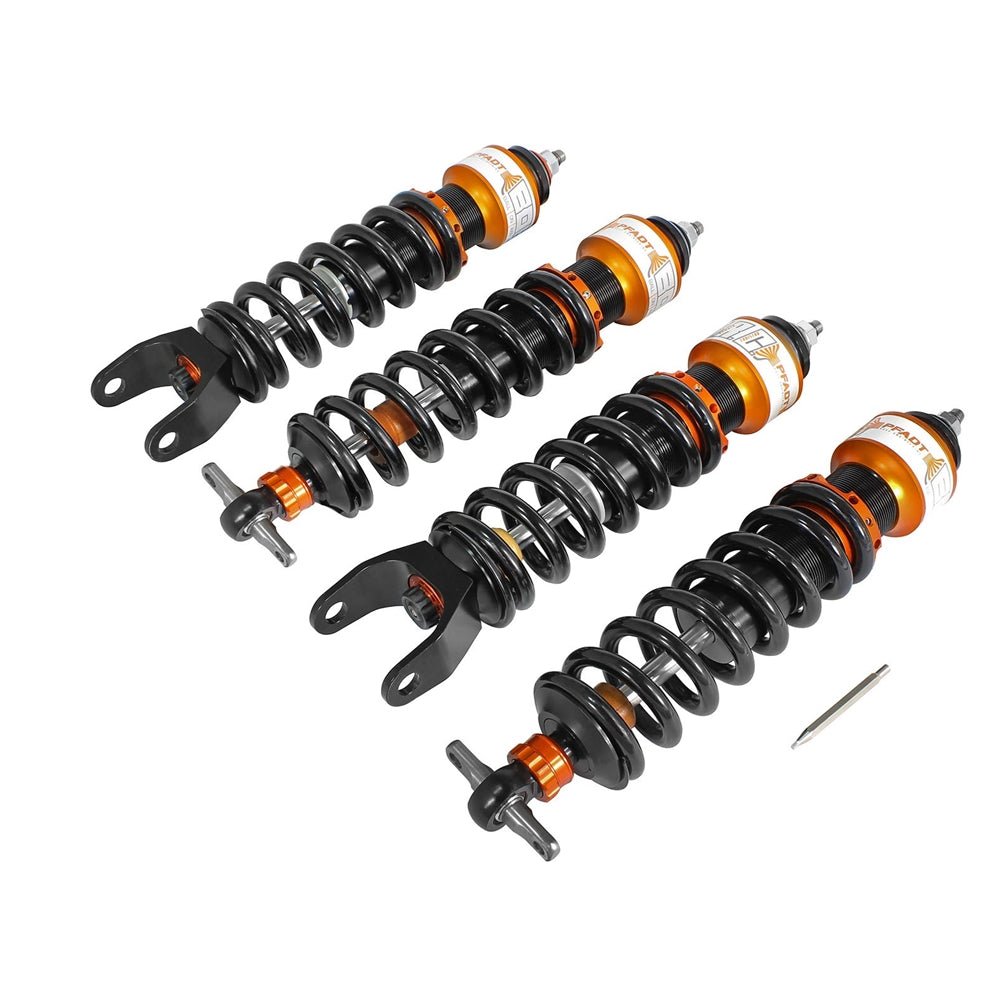
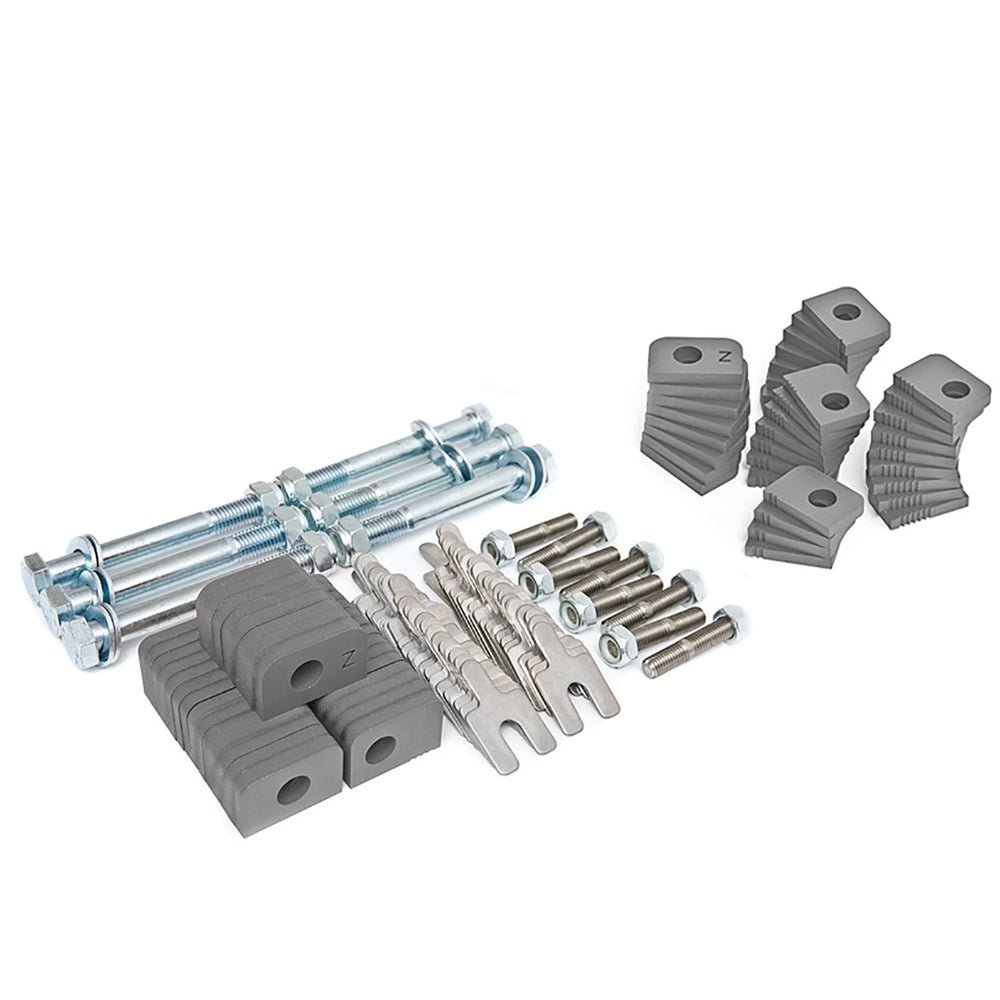
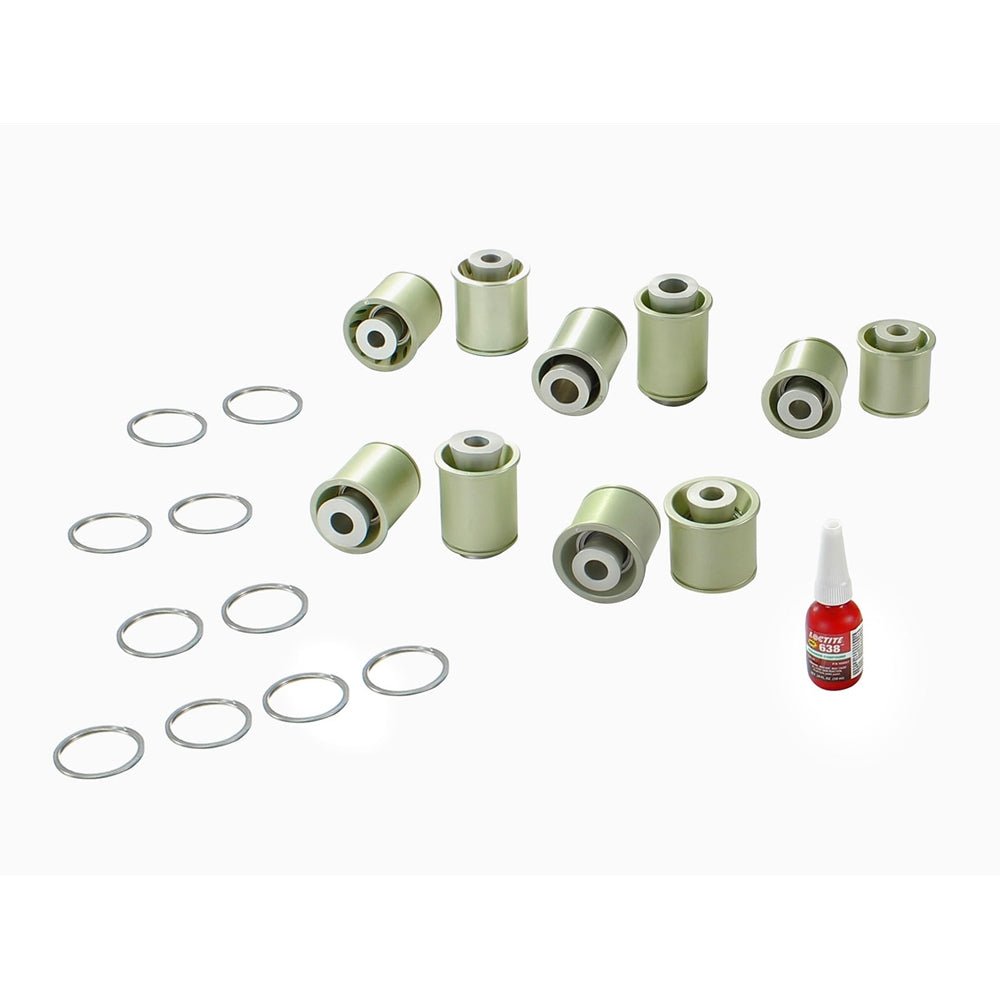
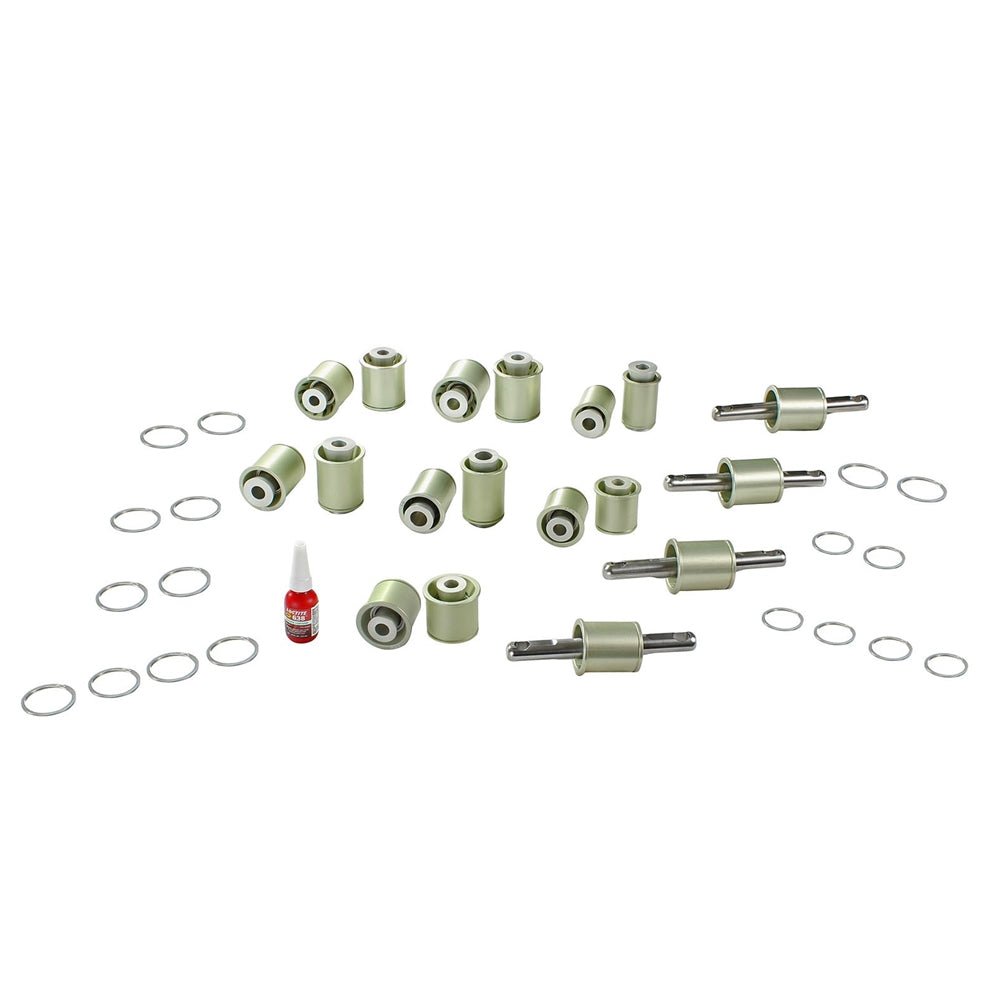
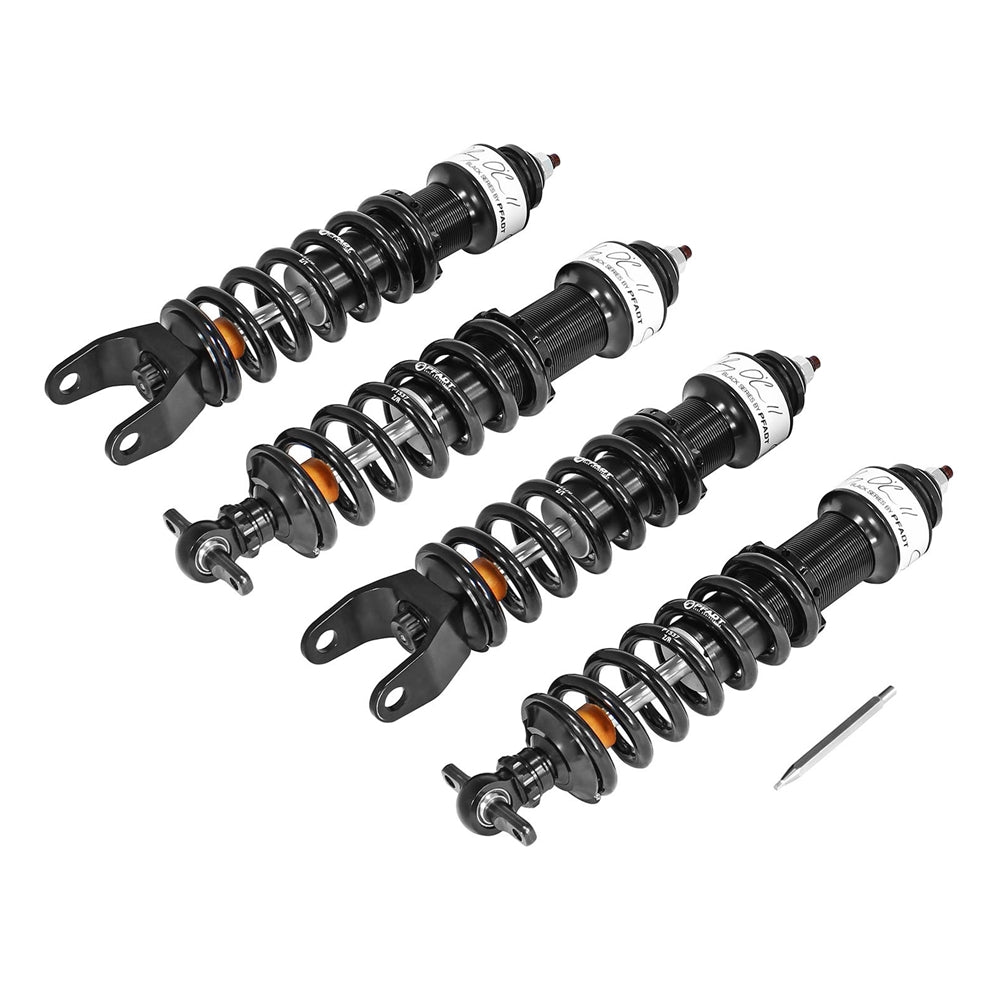
aFe Control PFADT Series Heavy Duty Street End Links Set; Chevrolet Corvette (C5/C6/C7) 97-15 440-401002-A
Regular price
$268.99

Chassis Suspension Systems play a crucial role in the overall performance and safety of vehicles, functioning as a vital component that connects the vehicle's body to its wheels. This intricate system is responsible for managing the dynamics of road contact, ensuring a smooth ride while providing stability and handling capabilities. In the quest to enhance driving experience, understanding the intricacies of Chassis Suspension Systems becomes essential for engineers, manufacturers, and automotive enthusiasts alike.
As vehicles traverse varying terrains, the Chassis Suspension Systems are tasked with absorbing shocks from the road. These systems consist of several components, including springs, shock absorbers, control arms, and stabilizer bars. Each part plays a significant role in maintaining tire traction, improving handling, and ensuring comfort for passengers.
The fundamental purpose of Chassis Suspension Systems is to isolate the vehicle's frame from road irregularities. By doing so, they minimize the impact of bumps and vibrations, allowing for a more controlled and pleasant driving experience. Additionally, effective suspension systems contribute to the overall safety of the vehicle by enhancing braking stability and cornering performance, which is vital in avoiding accidents.
Suspension design can vary widely depending on the type of vehicle and its intended use. For instance, sports cars may employ a stiffer setup for better handling and responsiveness, while off-road vehicles might utilize softer suspensions to provide comfort on rough terrains. Understanding the needs of the vehicle's purpose helps in optimizing Chassis Suspension Systems for specific applications.
Modern advancements in technology have led to the development of sophisticated Chassis Suspension Systems, such as active and adaptive suspensions. These systems utilize sensors and electronic controls to adjust the suspension's characteristics in real-time based on driving conditions, enhancing both comfort and performance significantly. As manufacturers focus on improving vehicle dynamics, the integration of such technologies continues to evolve, further optimizing the performance of Chassis Suspension Systems.
When considering the safety attributes of the Chassis Suspension Systems, it is important to recognize their influence on tire wear and alignment. Properly functioning suspension systems will ensure even tire contact with the road surface, reducing premature tire wear and enhancing traction. Regular maintenance and inspection of these systems are essential in maintaining vehicle safety standards.
Moreover, Chassis Suspension Systems have a substantial impact on the vehicle's overall longevity. In theory, a well-optimized suspension system can prolong the life of various components, including tires, brakes, and even the vehicle's frame. This results not only in enhanced performance but also in increased cost-effectiveness in the long run.
Ultimately, understanding and optimizing Chassis Suspension Systems is essential for achieving an ideal balance between performance and safety. By carefully selecting and maintaining the components of these systems, automotive professionals can significantly influence how a vehicle behaves on the road. Continuous research and innovation in Chassis Suspension Systems contribute to the evolution of automotive technology, paving the way for safer and more efficient vehicles.
In summary, Chassis Suspension Systems are integral to vehicle performance and safety. They provide comfort, stability, and control while affecting vehicle longevity and efficiency. Whether dealing with sports cars, family vehicles, or commercial trucks, a keen understanding of these systems will lead to improved driving experiences and safer roads for all.